Decoding the Wellness Industrial Complex: A Sarcastic Guide to Modern Health Trends
Ah, the modern wellness landscape! A veritable Garden of Eden, if Eden were paved with expensive supplements, bespoke juice cleanses, and a constant, low-humming anxiety that you’re not quite ‘optimized’ enough. One can barely scroll through a social media feed without being bombarded by gurus promising the secret to eternal youth, boundless energy, and gut flora so balanced it could win a Nobel Prize. It’s a dizzying spectacle, isn’t it? Every other week, a new ‘must-try’ trend emerges, promising to unlock your inner super-human, often at the cost of your sanity and, more reliably, your bank account.
The Zen of Chewing: Mindful Eating, or Just Performance Art?
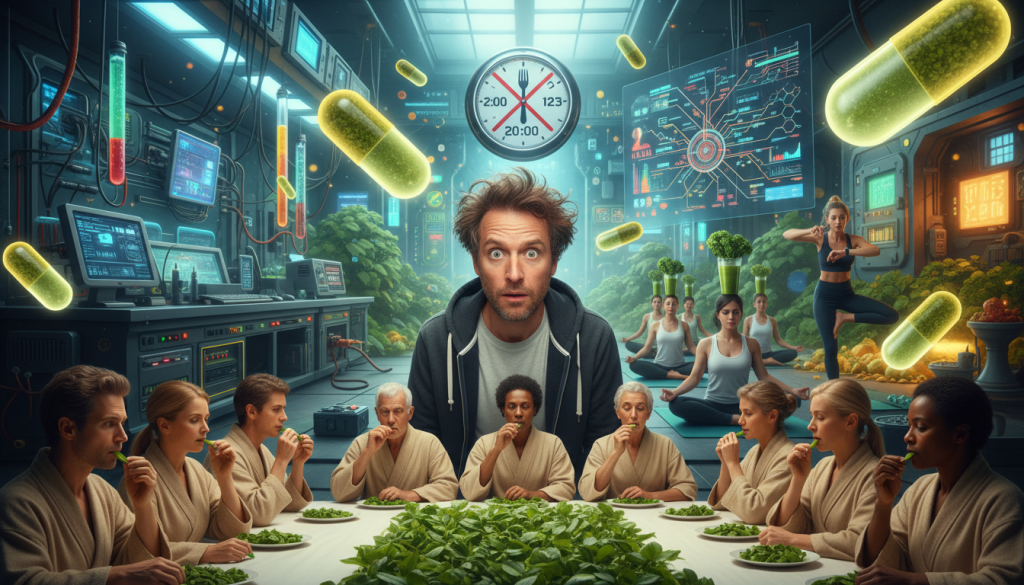
First, let’s talk about ‘Mindful Eating Habits.’ The concept itself is noble: pay attention to your food, savor it, understand your body’s signals. But oh, how it has been weaponized! Now, every meal is an existential journey. Are you truly tasting the kale, or are you merely consuming it like a savage? Are you aware of the texture, the aroma, the silent suffering of the vegetable as it meets its untimely end in your masticating maw? Forget simply enjoying a meal; now it’s a meditative practice, often performed whilst simultaneously documenting it for Instagram, proving your superior enlightenment to the unwashed masses who still dare to eat a sandwich while walking.
One must chew each morsel 30 times, apparently, lest you insult the digestive enzymes patiently waiting to do their job. And don’t even think about distractions! Your phone, your book, your spouse – all are enemies of true mindful consumption. The goal, it seems, isn’t just to eat, but to perform eating, with an air of profound wisdom usually reserved for ancient sages contemplating the universe, not someone just trying to get through lunch.
Intermittent Fasting: The Hunger Games of Health
Because Who Needs Breakfast Anyway?
Then there’s the darling of the biohacking brigade: Intermittent Fasting. Ah, the sheer joy of voluntarily starving yourself for arbitrary periods, all in the name of ‘autophagy’ or ‘metabolic flexibility’! Once upon a time, missing a meal was called “being busy” or “forgetting.” Now, it’s a sophisticated lifestyle choice, a badge of honor for those disciplined enough to deny their primal urges until the clock strikes a very specific, pre-determined hour. And woe betide anyone who dares to suggest that perhaps, just perhaps, eating when you’re hungry isn’t a moral failing.
The evangelists will tell you it’s not a diet, it’s a lifestyle. A lifestyle that conveniently allows you to eat a small horse during your ‘eating window’ because, hey, you’ve earned it! The scientific literature, like a bewildered spectator at a circus, tries to keep up with the ever-shifting goalposts of optimal fasting protocols. Is it 16:8? 18:6? OMAD (One Meal A Day, for the truly hardcore)? Or perhaps a 48-hour water fast, just to really feel alive? The only certainty is that someone, somewhere, is currently debating the precise moment to break their fast with a perfectly formulated electrolyte drink.
The Great Divide: Plant-Based Purity vs. Personalized Protein Pilgrimages
And let’s not forget the dietary dogmas. On one side, we have the staunch adherents of the Plant Based Diet, who view anything that once had a face (or even a distant ancestor with a face) as anathema. Their plates are vibrant tapestries of kale, quinoa, and various legumes, all meticulously sourced and ethically approved. The benefits are touted as nothing short of miraculous, promising to cure everything from hangnails to existential dread.
On the other, the Personalized Nutrition Plan evangelists, who, armed with genetic tests and gut microbiome analyses, will tell you that your unique biochemistry demands a very specific, often incredibly expensive, regimen. Forget general health guidelines; you are a snowflake, a unique metabolic marvel, and only a bespoke diet of exotic berries and grass-fed yak butter will suffice. The sheer audacity of believing that a general practitioner’s advice could ever compare to a meticulously crafted dietary blueprint based on your susceptibility to cilantro sensitivity is, frankly, adorable.
High Protein Snacks, meanwhile, exist in a neutral zone, a sort of Switzerland for the diet-weary. Whether you’re plant-based or personalized, everyone agrees on the undeniable power of protein to stave off hunger and build those crucial, attention-grabbing muscles. As long as it’s not too processed, of course. We wouldn’t want to compromise our clean eating lifestyle, would we?
Biohacking for Beginners: Turning Yourself into a Human Algorithm
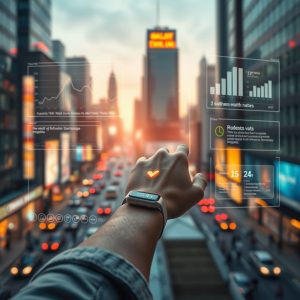
And then, the pièce de résistance: Biohacking For Beginners. Because who needs to simply live when you can optimize? Sleep isn’t just rest; it’s a data point. Sunlight isn’t just light; it’s a vital dose of D and circadian rhythm regulation. Every bodily function, every input, every output, must be measured, tracked, and tweaked for maximum efficiency. Wearables adorn every limb, logging steps, heart rate variability, sleep cycles, and probably your innermost thoughts. It’s a relentless pursuit of perfection, a quest to turn the messy, unpredictable miracle of human existence into a perfectly calibrated machine. One can only wonder what happens when the firmware needs an update, or if a bug in the system leads to an inexplicable craving for, gasp, a donut.
Ultimately, amidst this cacophony of conflicting advice, expensive gadgets, and self-appointed gurus, one might occasionally find oneself yearning for simpler times. Times when eating food, moving your body, and getting some sleep weren’t considered ‘hacks’ but merely ‘living.’ Perhaps the ultimate wellness trend, the one truly worth investing in, is the radical notion of listening to your own body, exercising a modicum of common sense, and occasionally, just occasionally, allowing yourself to enjoy a perfectly ordinary, utterly un-optimized moment of existence without feeling the crushing weight of a thousand wellness trends judging your every move.