
The Alchemy of Stillness: How Mindfulness and Functional Fitness Forge Unshakable Mental Resilience
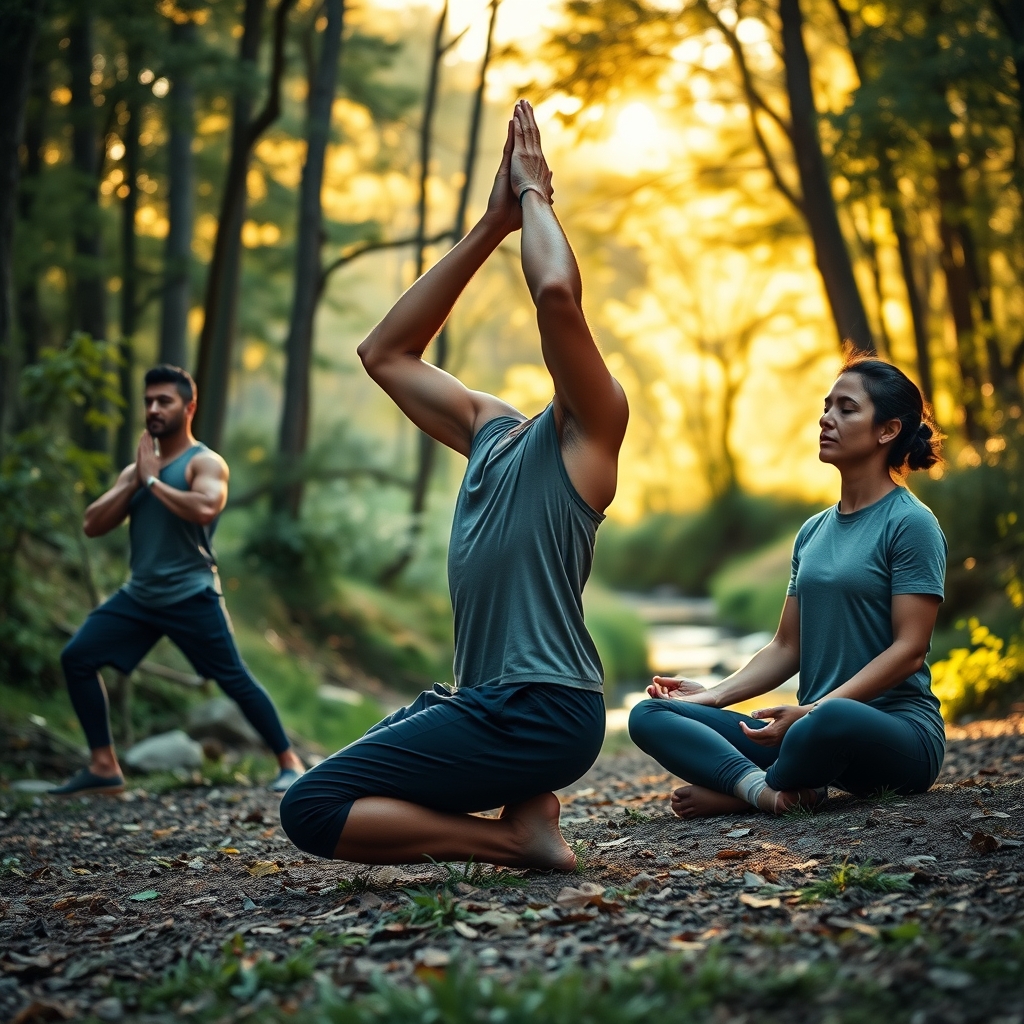
The world moves at a relentless pace, a ceaseless symphony of notifications, deadlines, and demands that leave our nervous systems frayed and our minds exhausted. We chase productivity like a mirage in the desert, believing that the next achievement, the next milestone, will finally bring us peace. But what if the key to enduring mental resilience isn’t found in doing more, but in the art of being still? What if the alchemy of true strength lies in the quiet spaces between movement and rest, where mindfulness and functional fitness converge to rewire our brains and bodies for unshakable equilibrium?
The Mind as a Garden: Tending to Mental Health with Mindfulness
Imagine your mind as a garden. Left untended, it becomes overgrown with weeds—anxious thoughts, ruminations, and the thorny vines of stress that choke out clarity and joy. Mindfulness is the gentle, deliberate act of tending to this garden, pulling weeds one by one, and nurturing the soil of your consciousness with presence. It is not about emptying the mind but observing its landscape with compassion, acknowledging each thought without judgment, and allowing it to pass like clouds drifting across the sky.
Science has begun to unravel the profound impact of mindfulness on the brain. Studies using functional MRI scans reveal that regular mindfulness practice thickens the prefrontal cortex—the region responsible for decision-making, emotional regulation, and focus—while shrinking the amygdala, the brain’s fear center. This neural remodeling doesn’t just reduce stress; it enhances our capacity to navigate life’s storms with grace. A 2018 study published in JAMA Internal Medicine found that mindfulness meditation programs significantly improved anxiety, depression, and pain, offering a non-pharmacological lifeline to those drowning in the currents of modern life.
But mindfulness is more than a tool for crisis management. It is a way of being, a radical act of self-care that invites us to slow down and savor the present moment. Whether it’s the warmth of a morning cup of tea, the rhythm of your breath as you walk, or the quiet hum of the world before dawn, mindfulness teaches us that peace is not a destination but a practice.
The Body as a Temple: Functional Fitness and the Foundation of Resilience
If mindfulness is the garden of the mind, then functional fitness is the architecture of the body—a temple built not for vanity, but for vitality. Unlike traditional gym routines that isolate muscles in pursuit of aesthetics, functional fitness is about movement that mirrors the demands of real life. It’s the squat that prepares you to lift a child, the lunge that stabilizes you on an uneven sidewalk, the push-up that builds the strength to rise after a fall. This is fitness with purpose, a celebration of what the body can do, not just how it looks.
The connection between functional fitness and mental resilience is profound. Physical activity triggers the release of endorphins, the body’s natural mood elevators, while also reducing levels of cortisol, the stress hormone that erodes our well-being. But the benefits go deeper. A 2020 study in Frontiers in Psychology found that functional fitness routines, which often incorporate balance, coordination, and full-body engagement, enhance cognitive function and emotional regulation. The reason? These movements require focus, forcing the mind to anchor in the present moment—a physical form of mindfulness.
Moreover, functional fitness fosters a sense of mastery and self-efficacy. When you deadlift a heavy weight, complete a challenging yoga flow, or conquer a trail run, you’re not just building muscle; you’re building confidence. This confidence spills over into other areas of life, creating a feedback loop of resilience. The body learns to endure, and the mind learns to trust itself.
The Symbiosis of Stillness and Strength
At first glance, mindfulness and functional fitness might seem like opposing forces—one rooted in stillness, the other in motion. But their synergy is where the magic happens. Mindfulness infuses movement with intention, turning a workout into a moving meditation. Conversely, functional fitness grounds mindfulness in the physical, preventing it from becoming an abstract, intellectual exercise. Together, they create a holistic practice that nurtures both mental and physical resilience.
Consider the athlete who visualizes success before a competition, or the yogi who focuses on breath while holding a challenging pose. These moments are not separate from their training; they are the essence of it. The same principles apply to everyday life. A mindful walk becomes a meditation in motion, a weightlifting session transforms into a lesson in perseverance, and a moment of stillness before bed becomes a reset for the nervous system. This integration is the cornerstone of unshakable resilience.
Practical Alchemy: Weaving Mindfulness and Functional Fitness into Daily Life
You don’t need a monastery or a state-of-the-art gym to begin this practice. The alchemy of stillness and strength can be cultivated in small, intentional ways. Start your day with five minutes of mindful breathing, feeling the rise and fall of your chest, the cool air entering your nostrils, the warmth of your exhale. As you move through your morning, bring this awareness to your body. Notice the way your feet connect with the ground, the stretch of your muscles as you reach for a cup, the rhythm of your breath as you climb stairs.
Incorporate functional movements into your routine: bodyweight squats while brushing your teeth, lunges as you walk to the mailbox, or a plank while waiting for your coffee to brew. These micro-moments of movement add up, strengthening your body and anchoring your mind. When stress arises, pause and take three deep breaths, feeling the tension melt away with each exhale. This is the practice—not perfection, but presence.
For those seeking a deeper dive, explore modalities that blend mindfulness and movement, such as tai chi, qigong, or mindful running. These practices are not just exercises; they are rituals that honor the connection between body and mind. Even digital health tools can support this journey. Wearable technology, like heart rate variability monitors, can provide real-time feedback on your stress levels, helping you recognize when to slow down and when to push forward. Telemedicine platforms offer access to mindfulness coaches and functional fitness trainers, making these practices more accessible than ever.
The Ripple Effect: Resilience as a Gift to the World
The beauty of this alchemy is that its benefits extend far beyond the individual. When we cultivate resilience in ourselves, we become beacons of stability for those around us. Our calm in the face of chaos, our ability to listen deeply, and our capacity to move through life with grace inspire others to do the same. In a world that often feels fragmented, this ripple effect is a quiet revolution—a testament to the power of small, intentional actions to create profound change.
Resilience is not about never faltering; it’s about having the tools to rise each time we do. It’s the understanding that mental and physical strength are not fixed traits but dynamic qualities that can be nurtured and expanded. By embracing the alchemy of stillness and strength, we don’t just endure life’s challenges; we transform them into opportunities for growth. And in that transformation, we discover that the greatest strength of all is not in the muscles we build or the meditations we master, but in the unshakable peace that comes from knowing we are enough, exactly as we are.