The Invisible Thread: How Chronic Disease Management and Real-Time Analytics Are Weaving a Future of Effortless Control
Imagine waking up each morning to a world where your health doesn’t feel like a battle, but a seamless part of your life—a rhythm you’ve learned to dance with, not fight against. For millions living with chronic conditions, this isn’t just a dream; it’s the quiet revolution unfolding through the fusion of chronic disease management and real-time health analytics. The days of reactive care, where symptoms dictate the pace, are fading. In their place, a new era is emerging—one where data doesn’t just inform, but empowers, and where every heartbeat, every breath, every subtle shift in your body’s story is met with precision, not panic.
The Power of Proactive: When Data Becomes Your Ally
Chronic diseases like diabetes, hypertension, and heart disease have long been seen as unyielding adversaries, demanding constant vigilance and often leaving patients feeling like passive passengers in their own health journey. But what if the tables could turn? What if, instead of waiting for a crisis to act, you could anticipate it—days, weeks, even months in advance? This is the promise of proactive symptom tracking and data-driven health insights, where wearable devices and remote monitoring tools transform raw numbers into a narrative of prevention.
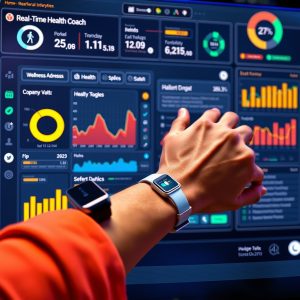
Take, for example, a patient with type 2 diabetes. Traditionally, managing this condition meant periodic blood sugar checks, reactive adjustments to medication, and the ever-looming fear of complications. But with wearable health integration, that same patient now has a continuous stream of data at their fingertips—glucose levels, activity patterns, even stress markers—all painting a real-time portrait of their health. Algorithms analyze these inputs, flagging trends before they become threats. A spike in glucose after a meal? The system suggests a short walk to bring it back into range. A pattern of restless sleep? It recommends a bedtime routine adjustment. This isn’t just monitoring; it’s precision health monitoring in action, turning every data point into a step toward stability.
The Human Touch in a Digital World
Yet, for all the marvels of technology, the heart of chronic disease management remains deeply human. Data alone can’t inspire change; it’s the digital health coaching and behavioral change therapy that bridge the gap between insight and action. Imagine a virtual coach who knows your habits, your struggles, and your goals—not as a generic voice, but as a personalized guide. This coach doesn’t just tell you to exercise; they help you find joy in movement. They don’t just remind you to take your medication; they celebrate your consistency. They don’t just track your progress; they help you rewrite your story, one small victory at a time.
This is where gamified health improvement comes into play. By turning health goals into challenges—earning badges for consistent glucose monitoring, competing with friends in step challenges, or unlocking rewards for hitting milestones—patients find motivation in the mundane. The result? A shift from obligation to engagement, where managing a chronic condition feels less like a chore and more like a journey of self-discovery. And when patients are engaged, outcomes improve. Studies show that those who actively participate in their care through digital tools and coaching experience fewer hospitalizations, better medication adherence, and an overall higher quality of life.
The Ripple Effect: From Individual to Ecosystem
The impact of these innovations extends far beyond the individual. When patients are empowered, healthcare systems transform. Integrated care pathways ensure that every specialist, from endocrinologists to dietitians, is on the same page, working from a shared, data-rich narrative. Value-based health outcomes replace fee-for-service models, rewarding providers for keeping patients healthy, not just treating them when they’re sick. And virtual wellness consultations break down barriers of time and distance, making expert care accessible to those in rural areas or with mobility challenges.
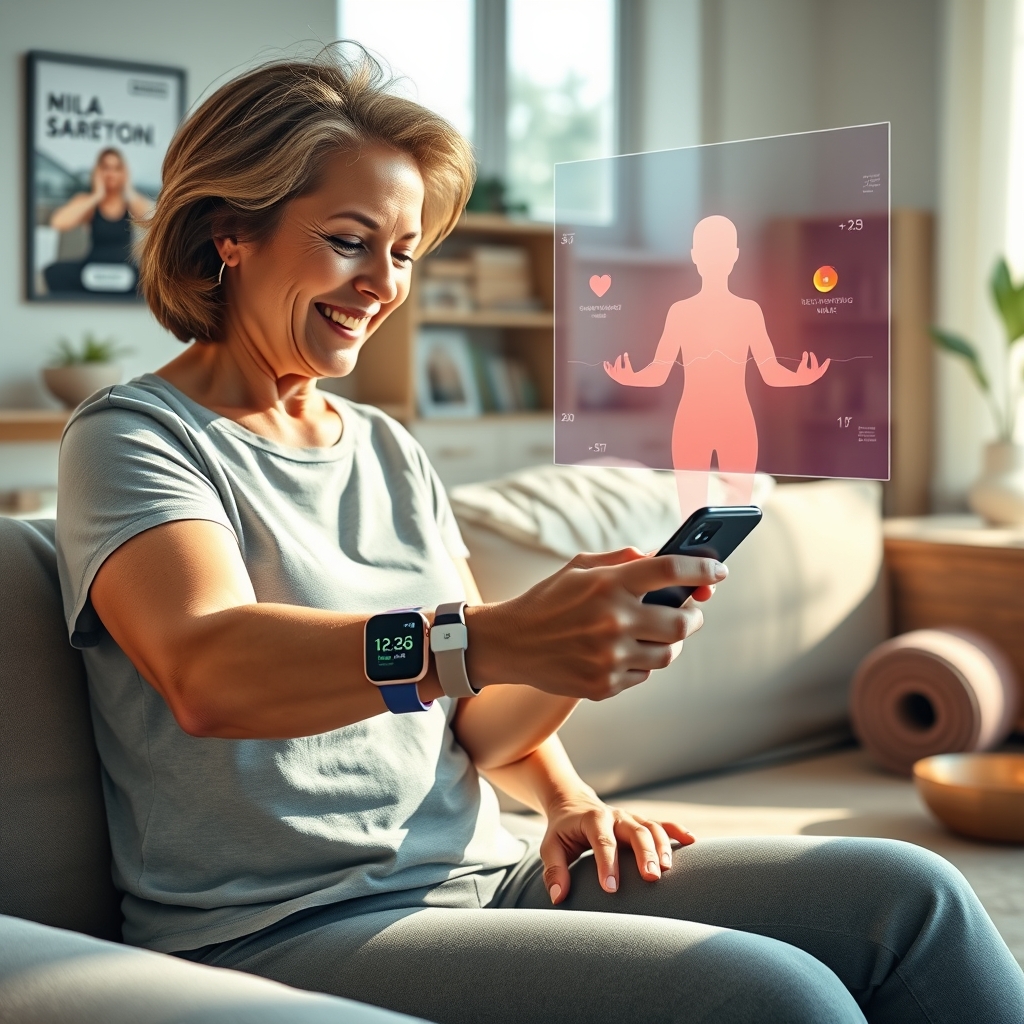
Consider the story of Maria, a 58-year-old woman with heart disease. Before embracing remote health monitoring, her condition dictated her life—frequent doctor visits, constant anxiety about her next episode, and a sense of isolation. But with a wearable device tracking her heart rate, blood pressure, and oxygen levels, and a digital coach guiding her through stress-reduction techniques, Maria regained control. She learned to recognize her body’s signals, adjust her lifestyle in real time, and even reduced her medication dosage under her doctor’s supervision. Her story isn’t unique; it’s a testament to what happens when technology and humanity converge.
The Mind-Body Connection: A Holistic Approach to Chronic Care
Chronic disease management isn’t just about physical symptoms; it’s about the whole person. Mental well-being tracking is increasingly recognized as a critical component of care, with tools that monitor stress levels, sleep quality, and emotional fluctuations. For many patients, the psychological toll of a chronic condition can be as debilitating as the physical symptoms. Anxiety about the future, depression from feeling trapped in a body that doesn’t cooperate, and the sheer exhaustion of managing a lifelong condition—these are battles fought in silence. But with holistic lifestyle management, patients are learning to address these challenges head-on.
Mindfulness apps, cognitive behavioral therapy (CBT) integrated into digital platforms, and even virtual support groups are providing lifelines. A patient with hypertension might use a breathing exercise app to lower their blood pressure in moments of stress. Someone with chronic pain could join a virtual yoga class designed to improve mobility and reduce discomfort. These tools don’t just treat symptoms; they nurture resilience, helping patients build a foundation of mental and emotional strength to complement their physical care.
The Future Is Now: A World of Effortless Control
We stand at the precipice of a new frontier in healthcare—one where chronic disease management is no longer a series of reactive measures, but a dynamic, personalized journey. The tools are here: wearables that act as silent guardians, analytics that predict before they react, and digital coaches that inspire as much as they inform. But the true magic lies in how these elements come together, weaving an invisible thread that connects every aspect of a patient’s life into a cohesive, empowering narrative.
This isn’t about replacing the human touch with cold, hard data. It’s about enhancing it—giving patients and providers alike the insights they need to make informed decisions, the motivation to stay the course, and the freedom to live life on their terms. The future of chronic disease management isn’t about fighting illness; it’s about embracing wellness, one data point, one small victory, one empowered choice at a time. And as these technologies continue to evolve, the line between patient and participant will blur, until managing a chronic condition feels not like a burden, but a natural, effortless part of life’s rhythm.