The Dawn of Personalized Nutrition: How Wearable Tech and Gut Science Are Crafting Your Perfect Diet
The hum of modern life is relentless, a symphony of notifications, deadlines, and endless to-do lists that leave little room for the quiet whisper of our bodies’ needs. Yet, buried beneath the noise, a revolution is unfolding—one that promises to rewrite the rules of how we nourish ourselves. This is the era of personalized nutrition, where the one-size-fits-all diet is crumbling under the weight of science, technology, and a deepening understanding of the human body’s intricate dance with food. It’s not just about counting calories or chasing the latest superfood fad; it’s about crafting a diet as unique as your fingerprint, guided by the silent conversations between your gut, your brain, and the wearable tech strapped to your wrist.
The Gut Microbiome: Your Body’s Hidden Maestro
Imagine a bustling metropolis, teeming with trillions of inhabitants, each playing a role in the city’s harmony. This is your gut microbiome—a vibrant ecosystem of bacteria, viruses, and fungi that doesn’t just digest your food but orchestrates everything from your mood to your metabolism. Recent breakthroughs in gut microbiome research have revealed that this microscopic world is far more influential than we ever imagined. It doesn’t just break down the kale salad you had for lunch; it communicates with your immune system, produces neurotransmitters like serotonin (the “feel-good” chemical), and even influences how your body stores fat.
But here’s the catch: no two microbiomes are alike. What fuels one person’s energy might trigger inflammation in another. A study published in Cell found that identical twins—who share 100% of their DNA—often have vastly different gut bacteria compositions, leading to wildly different responses to the same foods. This isn’t just fascinating science; it’s a game-changer for how we approach nutrition. The era of generic dietary advice is fading, replaced by a new paradigm where your gut’s unique signature dictates what lands on your plate.
Wearable Technology: Your Body’s Real-Time Storyteller
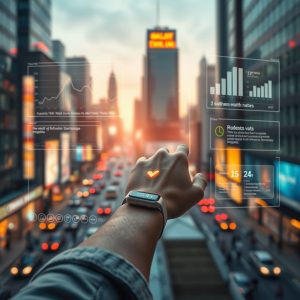
If your gut is the maestro, then wearable technology is the translator, turning the body’s silent signals into actionable insights. Gone are the days when fitness trackers were mere step counters. Today’s wearables are sophisticated health monitors, capable of tracking everything from heart rate variability to blood glucose levels, sleep architecture, and even stress responses. Devices like continuous glucose monitors (CGMs) and smartwatches with ECG capabilities are no longer niche tools for athletes or biohackers; they’re becoming mainstream, offering a window into how your body reacts to food, stress, and sleep in real time.
Take, for example, the rise of CGMs in the wellness space. These tiny sensors, originally designed for diabetics, are now being used by health enthusiasts to uncover hidden patterns in their metabolic health. A CGM might reveal that your beloved oatmeal breakfast sends your blood sugar soaring, while a seemingly indulgent avocado toast keeps it stable. It’s not about restriction; it’s about awareness. Wearables are democratizing health data, putting the power of personalized insights into the hands of everyday people. And when paired with gut microbiome testing, they create a feedback loop that’s nothing short of revolutionary—a dynamic, ever-evolving blueprint for your optimal diet.
The Rise of the Data-Driven Plate
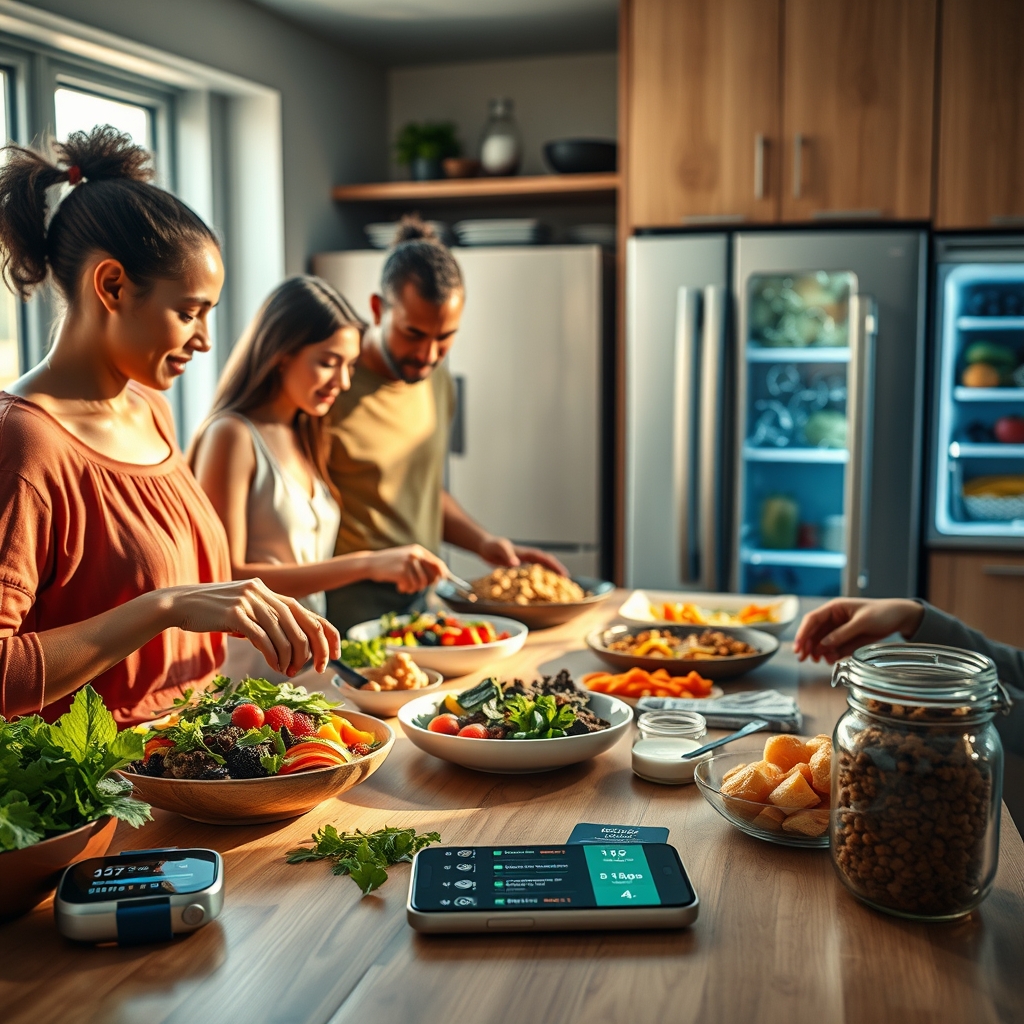
So, how does this all come together? Enter the world of digital health platforms and apps that integrate gut microbiome data with wearable tech insights to craft hyper-personalized nutrition plans. Companies like Zoe and DayTwo are leading the charge, using AI to analyze your gut bacteria, blood sugar responses, and lifestyle factors to generate dietary recommendations tailored just for you. No more guessing whether you’re a “low-carb” or “Mediterranean” person—your body’s data tells the story.
But personalized nutrition isn’t just about what you eat; it’s about when you eat. Your circadian rhythm, the body’s internal clock, plays a starring role in how efficiently you metabolize food. Research shows that eating in sync with your circadian rhythm—like front-loading calories earlier in the day—can improve metabolic health, enhance sleep quality, and even support weight management. Wearables that track sleep and activity patterns can help you align your meals with your body’s natural rhythms, turning mealtime into a finely tuned act of self-care.
Beyond the Plate: The Holistic Approach to Personalized Wellness
Personalized nutrition doesn’t exist in a vacuum. It’s part of a broader shift toward holistic wellness, where diet, movement, stress management, and sleep are seen as interconnected threads in the tapestry of health. For instance, chronic stress doesn’t just wreak havoc on your mental health; it disrupts your gut microbiome, impairs digestion, and can lead to inflammation. Similarly, poor sleep alters hunger hormones, making you crave sugary, high-carb foods the next day. This is where the magic of integration happens—where your personalized nutrition plan intersects with stress management techniques, functional fitness routines, and sleep hygiene practices to create a truly holistic approach to well-being.
Mindfulness, too, plays a crucial role. The act of eating mindfully—savoring each bite, chewing slowly, and tuning into your body’s hunger and fullness cues—can transform your relationship with food. It’s not about rigid rules or deprivation; it’s about connection. When you pair mindfulness with the insights from your gut microbiome and wearable tech, you’re not just eating; you’re engaging in an act of self-discovery, one meal at a time.
The Future Is Personal (And It’s Delicious)
The journey toward personalized nutrition is still in its early chapters, but the possibilities are as vast as they are exciting. Imagine a world where your smart fridge suggests recipes based on your gut bacteria’s current state, or where your wearable nudges you to take a walk because your stress levels are spiking and your microbiome needs a reset. This isn’t science fiction; it’s the trajectory we’re on—a future where technology and biology converge to create a health ecosystem that’s as dynamic and unique as you are.
Yet, amid the buzz of innovation, it’s essential to remember that personalized nutrition is ultimately about empowerment. It’s about reclaiming agency over your health, armed with data, curiosity, and a willingness to listen to your body. The tools are here, the science is evolving, and the potential is limitless. So, the next time you sit down to a meal, consider this: you’re not just feeding your body; you’re nourishing a conversation—a dialogue between your gut, your brain, and the technology that helps you understand it all. And in that conversation, the most delicious discovery of all might just be you.