The Gut-Brain Axis: How Your Microbiome Shapes Mental Health and Longevity
The human body is a symphony of interconnected systems, each playing its part in the grand composition of life. Yet, one of the most profound and often overlooked relationships exists not in the heart or the brain, but in the quiet, bustling ecosystem of the gut. Here, trillions of microorganisms—collectively known as the gut microbiome—orchestrate a delicate dance that influences everything from digestion to mood, immunity to longevity. Science is only beginning to unravel the depth of this connection, but one thing is clear: the gut-brain axis is a gateway to understanding how we can cultivate mental resilience, prevent chronic disease, and even extend our years with vitality.
The Hidden Conversation Between Gut and Brain
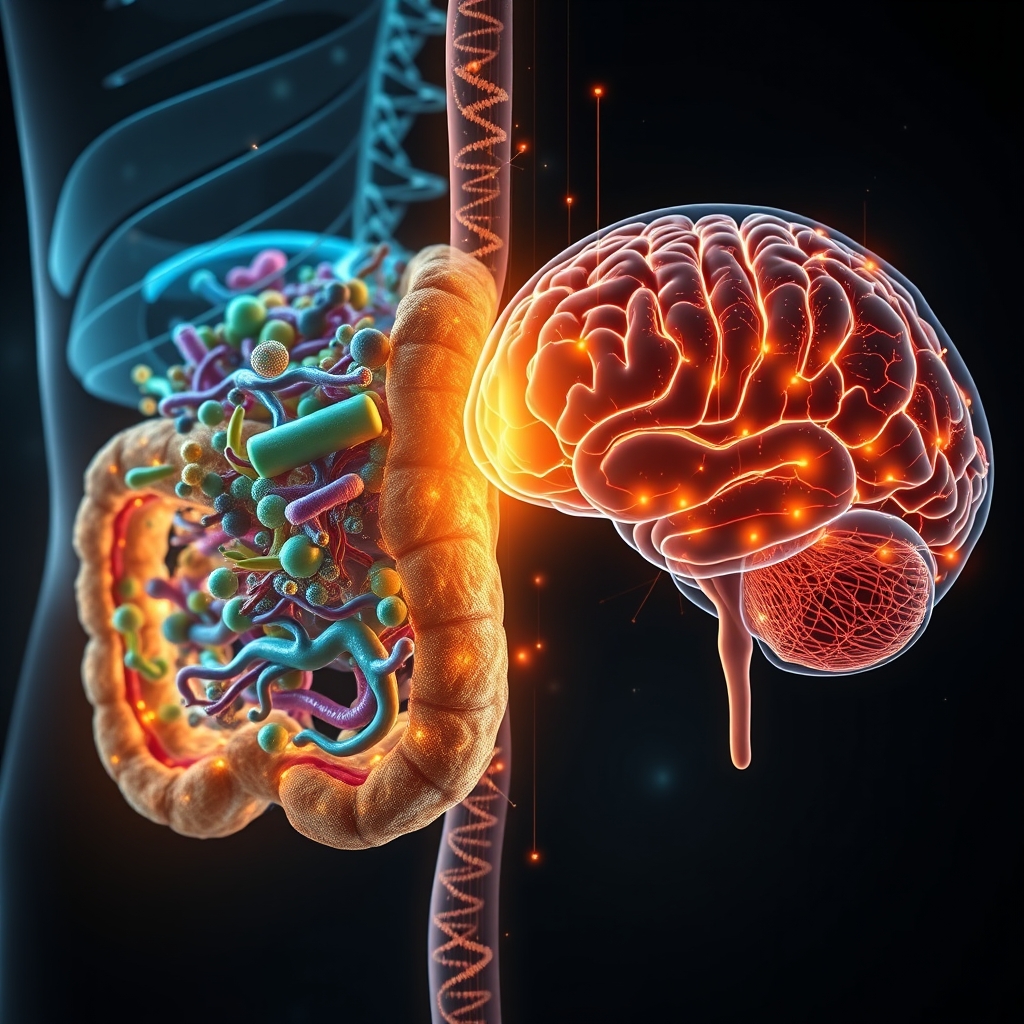
Imagine your gut as a second brain, humming with activity, sending signals that ripple through your body like waves in an ocean. This isn’t just a metaphor—it’s biology. The gut and brain communicate through a complex network of neurons, hormones, and biochemical pathways, collectively known as the gut-brain axis. The vagus nerve, a long, wandering nerve that stretches from the brainstem to the abdomen, acts as a superhighway for this communication, carrying messages that influence stress responses, inflammation, and even cognitive function.
Research has shown that the gut microbiome plays a starring role in this dialogue. Certain strains of bacteria produce neurotransmitters like serotonin and dopamine, chemicals that regulate mood, motivation, and emotional well-being. In fact, a staggering 90% of serotonin—the so-called “happy hormone”—is produced in the gut. When the microbiome is out of balance, a condition known as dysbiosis, it can disrupt this chemical harmony, leading to anxiety, depression, and even neurodegenerative diseases like Alzheimer’s. The implications are profound: by nurturing our gut health, we may be able to safeguard our mental health in ways we never imagined.
The Longevity Link: How Gut Health Extends Your Healthspan
Longevity isn’t just about adding years to your life—it’s about adding life to your years. And at the heart of this quest lies the gut microbiome. Emerging research in longevity science suggests that a diverse and thriving gut ecosystem is a cornerstone of healthy aging. Studies on centenarians, particularly those in regions known as “Blue Zones” where people live exceptionally long lives, reveal a common thread: their microbiomes are rich in beneficial bacteria that protect against inflammation, metabolic disorders, and age-related decline.
One of the most exciting discoveries in this field is the role of short-chain fatty acids (SCFAs), compounds produced by gut bacteria when they ferment fiber. SCFAs like butyrate, propionate, and acetate act as fuel for the cells lining the gut, strengthening the intestinal barrier and reducing inflammation. But their benefits don’t stop there. These molecules also cross the blood-brain barrier, where they exert neuroprotective effects, potentially warding off cognitive decline and mood disorders. The message is clear: feed your gut well, and it will repay you with a longer, healthier life.
Personalized Nutrition: The Key to Unlocking Your Gut’s Potential
If the gut microbiome is a garden, then personalized nutrition is the art of tending to it with precision. Gone are the days of one-size-fits-all dietary advice. Today, advances in digital health and wearable technology are empowering individuals to tailor their diets based on their unique microbial makeup. Companies like Viome and DayTwo analyze stool samples to provide personalized nutrition recommendations, identifying which foods will nourish beneficial bacteria and which may trigger inflammation or digestive distress.
This shift toward personalized nutrition is a game-changer for preventive care. By understanding how your body responds to different foods, you can optimize your diet to support gut health, metabolic function, and even mental clarity. For example, someone with a microbiome rich in Prevotella bacteria may thrive on a plant-based diet, while another with a dominance of Bacteroides might benefit from a higher intake of healthy fats. The future of nutrition isn’t about following trends—it’s about listening to your body and feeding it what it truly needs.
Biohacking Your Way to a Healthier Gut
For those who love to experiment, biohacking offers a playground of possibilities for optimizing gut health. From probiotic supplements to fecal microbiota transplants (FMT), the tools at our disposal are as innovative as they are effective. Probiotics, which contain live beneficial bacteria, can help restore balance to the gut microbiome, particularly after a course of antibiotics. Prebiotics, on the other hand, act as food for these bacteria, fostering their growth and activity. Together, they form a dynamic duo for gut health.
But biohacking doesn’t stop at supplements. Intermittent fasting, for example, has been shown to promote microbial diversity and reduce inflammation. Meanwhile, wearable technology like continuous glucose monitors (CGMs) can provide real-time feedback on how different foods affect your blood sugar, helping you make informed choices that support metabolic health. Even sleep hygiene plays a role—poor sleep disrupts the gut microbiome, while a well-rested body fosters a thriving microbial ecosystem. The key is to approach biohacking with curiosity and caution, experimenting to find what works best for your unique biology.
The Future of Gut Health: From Telemedicine to Regenerative Medicine
The frontier of gut health is expanding at a breathtaking pace, driven by breakthroughs in telemedicine, regenerative medicine, and digital health. Telemedicine platforms now offer virtual consultations with gut health specialists, making expert care more accessible than ever. Meanwhile, regenerative medicine is exploring the potential of stem cell therapy and tissue engineering to repair damaged intestinal linings, offering hope for conditions like inflammatory bowel disease (IBD) and leaky gut syndrome.
Digital health tools are also transforming how we monitor and manage gut health. Apps like ZOE and Seed track dietary intake, symptoms, and microbial changes, providing users with actionable insights to improve their well-being. And with the rise of artificial intelligence, we’re on the cusp of a new era where predictive algorithms can anticipate gut-related issues before they arise, allowing for proactive interventions that keep us one step ahead of disease.
As we stand on the brink of this new era, one thing is certain: the gut microbiome is not just a passive bystander in our health journey. It is an active participant, a silent partner in our quest for longevity, mental clarity, and holistic wellness. By embracing the power of personalized nutrition, biohacking, and cutting-edge science, we can unlock the full potential of our gut-brain axis and write a new chapter in the story of human health. The path to a healthier, happier life begins not in the mind or the heart, but in the quiet, bustling world within our gut—where every bite, every breath, and every choice shapes our destiny.