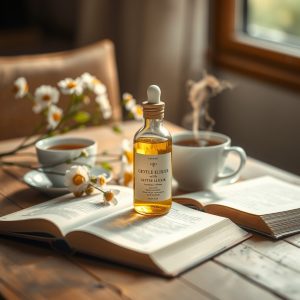
The Garden of Slow Growth: Cultivating Wellness in the Soil of Patience
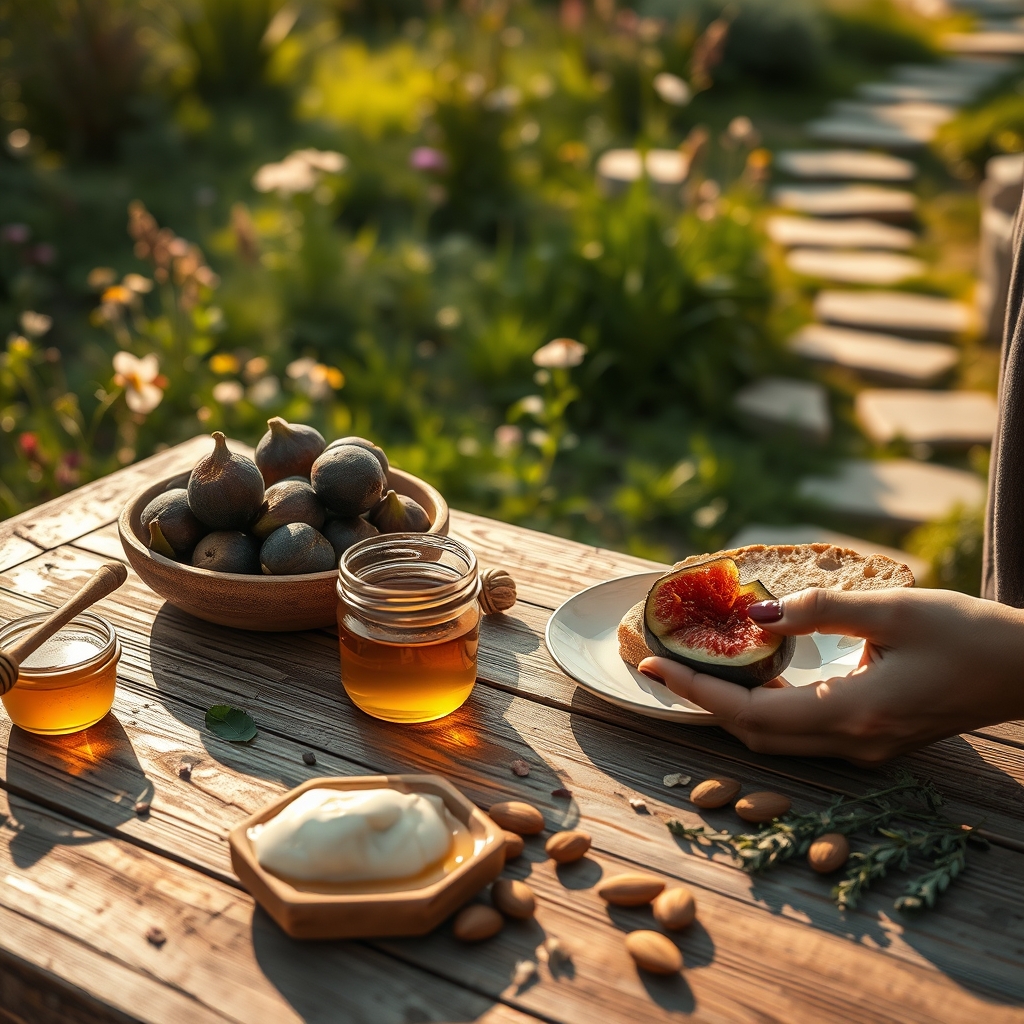
The first light of dawn spills across the kitchen counter like liquid gold, pooling around the bowl of ripe figs and the jar of honey that hums with the memory of summer. There is a quiet magic in this moment—one that does not announce itself with fanfare but lingers in the spaces between breath and bite, between intention and action. It is here, in the unhurried rhythm of preparation, that wellness begins to take root, not as a destination but as a garden we tend with our own hands.
The Myth of the Overnight Bloom
We live in an age of instant gratification, where progress is measured in likes, pounds lost, or steps counted by the second. The wellness industry, with its promises of rapid transformations and effortless results, often mirrors this impatience. We are sold the illusion of the overnight bloom—the idea that health can be achieved in a week, a month, or with the purchase of a single supplement. But gardens do not work this way. Seeds do not sprout at the snap of a finger; they require time, attention, and the willingness to wait through seasons of stillness.
Consider the way a tree grows. Its rings tell a story of drought and rain, of storms weathered and sunlight absorbed. Each layer is a testament to resilience, to the slow accumulation of days that no app or algorithm can rush. Wellness, too, is a practice of accumulation—of small, deliberate choices that compound over time. A single mindful meal will not rewrite your relationship with food, just as one yoga session will not unravel years of tension. But a lifetime of these moments? That is where the alchemy happens.
The Soil of Self-Compassion
If wellness is a garden, then self-compassion is the soil in which it grows. Too often, we approach health with a critic’s eye, measuring ourselves against impossible standards and berating our perceived failures. We label foods as “good” or “bad,” our bodies as “strong” or “weak,” and our progress as “enough” or “not enough.” But judgment is a poor fertilizer. It withers the spirit long before it can nourish the body.
What if, instead, we tended to ourselves as we would a delicate seedling? With patience, with kindness, and with the understanding that growth is not linear. Some days, the soil will feel rich and fertile; other days, it may crack with drought. There will be seasons of abundance and seasons of rest. The key is not to force the bloom but to trust the process—to water ourselves with grace, even when the results are not immediately visible.
The Ritual of Nourishment
Mindful eating is often reduced to a checklist: chew slowly, put down your fork between bites, savor each flavor. But at its heart, it is a ritual of presence—a way of honoring the body’s wisdom rather than overriding it. Think of the last time you truly tasted a meal. Not while scrolling through your phone or rushing to the next task, but with your full attention. The way the first bite of a peach bursts with sweetness, how the warmth of a bowl of soup seeps into your palms, the way a handful of almonds crackles between your teeth like autumn leaves.
These moments are not frivolous; they are sacred. They remind us that nourishment is not just about fuel but about connection—to the earth that grew the food, to the hands that prepared it, and to the body that receives it. When we eat with awareness, we are not just feeding ourselves; we are weaving a thread between the outer world and the inner one, between the soil and the soul.
The Dance of Discipline and Surrender
There is a delicate balance in wellness, a dance between discipline and surrender. We are told to set goals, track progress, and stay consistent—but what happens when life intervenes? When stress steals our appetite, when exhaustion dulls our motivation, when the carefully laid plans unravel like yarn from a spool? Too often, we respond with guilt, as if our bodies have betrayed us. But perhaps the betrayal is not in the stumble but in the refusal to adapt.
Discipline is not a rigid rod; it is a riverbank, guiding the water without dictating its path. Some days, the current will flow strong and steady; other days, it may meander or slow to a trickle. The river does not berate itself for the detours; it simply continues, carving its way through the landscape with quiet persistence. Wellness, too, is a practice of flow—of knowing when to push and when to yield, when to plant and when to let the earth lie fallow.
The Harvest of Being, Not Doing
In our obsession with productivity, we have forgotten that wellness is not a task to be completed but a state of being. We chase after the next trend—intermittent fasting, biohacking, high-intensity workouts—as if health were a finish line to cross rather than a way of moving through the world. But the body does not care about trends. It cares about how it feels when you wake up in the morning, how your breath moves through you when you stretch, how your heart hums when you nourish it with kindness.
What if we measured wellness not in metrics but in moments? The quiet joy of a walk in the rain, the deep satisfaction of a meal shared with loved ones, the way your body sighs into a stretch after a long day. These are the true harvests of a life well-lived—not the number on a scale or the size of your jeans, but the way you inhabit your skin, your days, your world.
The garden of wellness does not bloom overnight. It grows in the quiet, in the unseen, in the spaces between what we do and who we are. It is not a destination but a way of traveling—one that asks us to slow down, to listen, and to trust that the seeds we plant today will one day rise, not because we forced them, but because we tended them with love. And perhaps, in that tending, we will find that the greatest transformation was never the garden at all, but the hands that held the trowel.