
The Luminous Compass: Navigating the Seasons of the Body Through the Art of Mindful Nourishment
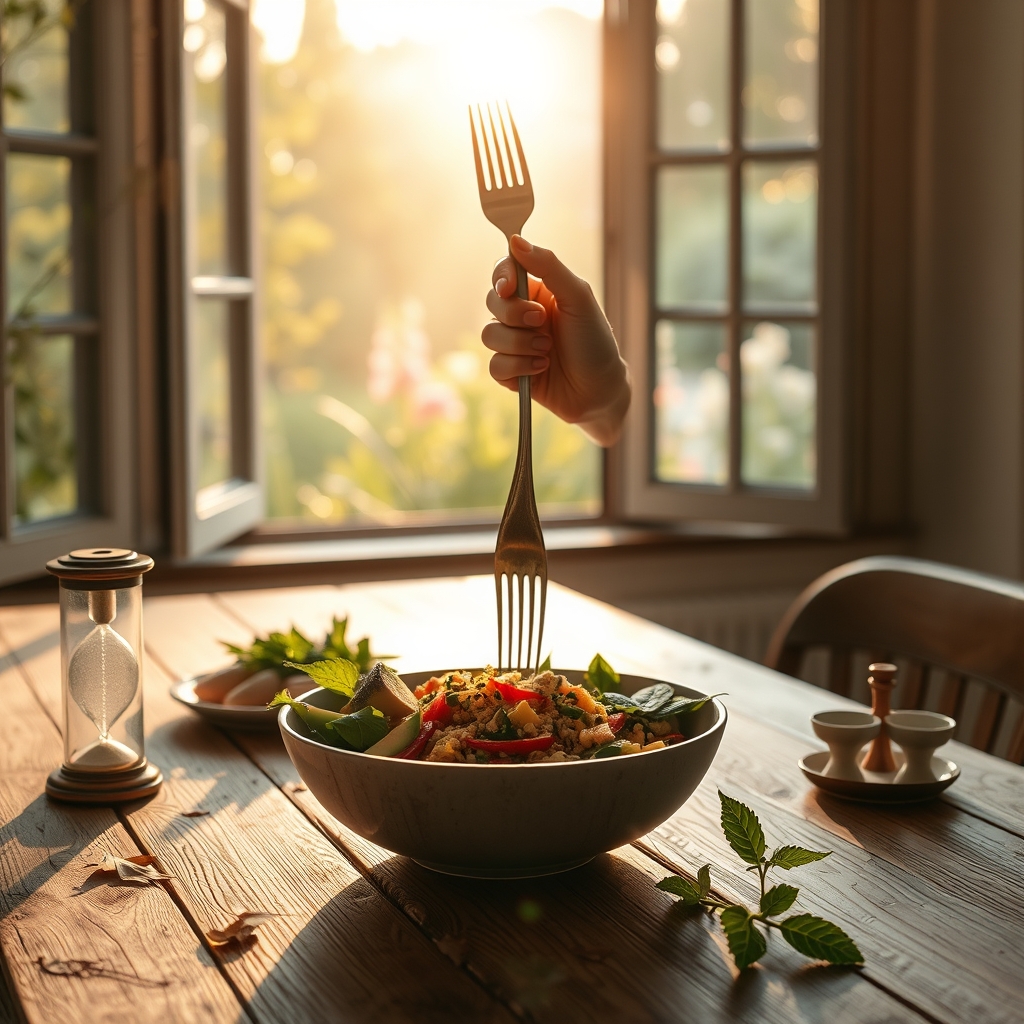
The body is a landscape, vast and ever-shifting, where the tides of hunger and satiety ebb and flow like the seasons. To nourish it is not merely an act of sustenance but a dialogue—one that requires presence, patience, and the willingness to listen. In a world that often demands we move faster, consume quicker, and disregard the whispers of our own physiology, the art of mindful nourishment emerges as a quiet rebellion. It is an invitation to slow down, to savor not just the flavors on our tongues but the intricate dance of signals that guide us toward what we truly need.
The Language of Hunger
Hunger is not a singular note but a symphony. There is the sharp, insistent cry of the stomach, the dull ache of habit, the restless craving born of emotion, and the quiet hum of genuine need. To distinguish between them is to learn the language of the body—a dialect that is often drowned out by the noise of modern life. Mindful eating begins with this act of listening, of pausing before the first bite to ask: What is this hunger asking of me? Is it nourishment, or is it something else—comfort, distraction, or the echo of an old habit?
This practice is not about restriction or rigid rules but about reclaiming agency. It is about recognizing that the body is not a machine to be fueled but a garden to be tended. When we eat with awareness, we begin to notice how different foods make us feel—not just in the moment but hours later, in the quality of our sleep, the clarity of our thoughts, and the resilience of our energy. A meal becomes more than a collection of macronutrients; it becomes a conversation, a give-and-take between what we consume and how we are consumed by it.
The Rhythm of Nourishment
There is a rhythm to nourishment, a cadence that aligns with the body’s natural cycles. The ancient practice of intermittent fasting, for instance, is not merely a trend but a return to this rhythm—a recognition that the body thrives when given space to rest, to repair, to reset. It is a reminder that hunger is not an enemy to be feared but a signal to be honored, a call to trust in the body’s innate wisdom.
Yet, this rhythm is not one-size-fits-all. It is deeply personal, shaped by genetics, lifestyle, and even the seasons of life. What works for one may not work for another, and the key lies in attunement. A plant-based diet, rich in the vibrant hues of whole foods, may sing to one body, while another finds strength in the grounding density of protein-rich meals. The beauty of mindful nourishment lies in its flexibility, in its refusal to be confined by dogma. It is not about adhering to a label but about discovering what makes your body feel alive, vibrant, and whole.
The Alchemy of Preparation
To eat mindfully is to engage in an act of creation. It begins long before the first bite, in the quiet moments of planning, of selecting ingredients that resonate with the body’s needs, of preparing them with care. There is a sacredness in this process, a meditative quality that transforms cooking from a chore into a ritual. The chopping of vegetables, the stirring of a simmering pot, the arrangement of colors on a plate—these are not mere steps but offerings, a way of honoring the body’s journey toward wholeness.
This alchemy extends beyond the kitchen. It is present in the way we set the table, in the absence of distractions, in the deliberate choice to savor each bite. It is in the way we chew slowly, allowing the flavors to unfold like petals in the sun, and in the way we pause between bites, checking in with the body to gauge its response. These small acts of intention accumulate, weaving a tapestry of awareness that extends far beyond the meal itself.
The Shadow Side of Nourishment
Yet, mindful eating is not without its shadows. In a culture obsessed with perfection, it can become another source of guilt, another metric by which we measure our worth. The pressure to eat “clean,” to adhere to strict regimens, or to achieve some idealized version of health can distort the very practice it seeks to uphold. True nourishment is not about purity or deprivation but about balance, about the gentle dance between indulgence and restraint, between listening and responding.
There are days when mindful eating feels effortless, when the body’s signals are clear and the choices flow naturally. And then there are days when it feels like a struggle, when old habits rise like specters, when the noise of the world drowns out the body’s quiet voice. On those days, the practice is not to judge but to return, to begin again with kindness, to remember that nourishment is not a destination but a journey—one that unfolds in layers, in seasons, in the quiet accumulation of small, intentional choices.
The Ripple Effect
The impact of mindful nourishment extends beyond the individual. When we eat with awareness, we begin to see the threads that connect us to the earth, to the hands that grew our food, to the systems that sustain us. A plant-based meal is not just a choice for personal health but an act of reverence for the planet, a recognition of the delicate balance that sustains all life. Similarly, the decision to hydrate mindfully, to move with intention, or to rest when the body demands it ripples outward, creating a more compassionate relationship with ourselves and the world around us.
This is the essence of holistic wellness—not a checklist of achievements but a way of being, a way of moving through the world with open eyes and an open heart. It is about recognizing that the body is not a project to be fixed but a companion to be cherished, a vessel through which we experience the fullness of life. And in that recognition, we find not just health but wholeness, not just nourishment but a deeper connection to the luminous compass within us, guiding us home.
The seasons of the body are ever-turning, each one offering its own lessons, its own challenges, its own quiet joys. To navigate them with mindfulness is to embrace the art of becoming—to honor the past, to meet the present with curiosity, and to trust in the unfolding of what is yet to come. There is no final destination, no perfect state of being, only the continuous, gentle return to the self, to the body, to the sacred act of nourishment that sustains us all.