
The Golden Hour of Nourishment: A Meditation on the Alchemy of Mindful Eating and Time
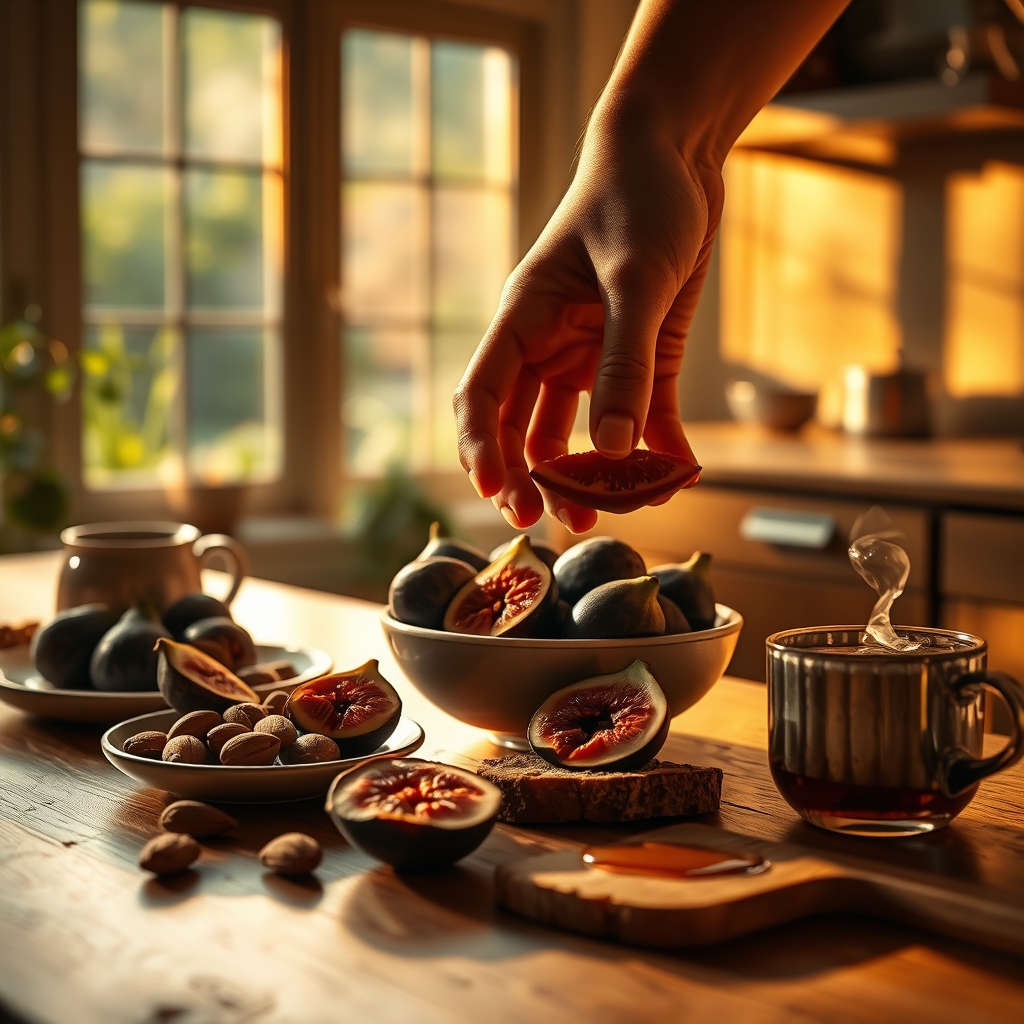
The first light of dawn spills across the kitchen counter like liquid gold, pooling around the bowl of ripe figs, their skins split open to reveal the deep crimson within. There is a quiet magic in this moment—one that exists not in the grand gestures of wellness, but in the slow, deliberate act of choosing how to meet the day. The figs, still cool from the night, are not just food; they are a conversation between the earth and the body, a dialogue that unfolds in the space between hunger and satisfaction. This is the golden hour of nourishment, where time stretches and the act of eating becomes a ritual of presence.
The Sacred Geometry of a Meal
Consider the plate before you—not as a vessel for sustenance, but as a canvas where intention and instinct intersect. The colors, textures, and aromas are brushstrokes in a larger composition, one that tells the story of soil and sunlight, of hands that tended and harvested. A meal is not merely a collection of nutrients; it is a living tapestry, woven from the threads of seasons, labor, and memory. When we eat mindfully, we do not just consume; we participate in this tapestry, becoming both the weaver and the woven.
There is a geometry to mindful eating, a shape that emerges when we slow down enough to notice the angles of flavor, the curves of satiety, the points where hunger dissolves into contentment. It is not about restriction or rules, but about recalibrating our relationship with time. In a world that moves at the speed of a scroll, the act of pausing to savor a single bite is a radical rebellion. It is a reclaiming of the body’s innate wisdom, a reminder that we are not machines to be fueled, but ecosystems to be nourished.
The Language of Hunger
Hunger is not a monolith. It is a language with many dialects—some sharp and insistent, others soft and lingering. There is the hunger of the stomach, yes, but also the hunger of the heart, the hunger of habit, the hunger of boredom. To eat mindfully is to learn the nuances of this language, to distinguish between the whispers of genuine need and the clamor of emotional noise. It is to sit with the discomfort of an empty stomach and ask: What am I truly hungry for?
This inquiry is not about judgment, but about curiosity. It is the difference between reaching for a snack out of restlessness and choosing one because it will truly satisfy. A handful of almonds, rich with protein and crunch, can be a bridge between meals or a distraction from loneliness. The almonds themselves are neutral; it is the intention behind them that transforms the act of eating into an act of care. When we listen deeply, we begin to hear the body’s quiet requests—not just for calories, but for connection, for rhythm, for balance.
The Alchemy of Preparation
There is a reason why the act of cooking is often described as alchemy. The sizzle of garlic in olive oil, the way a knife transforms a carrot into ribbons of orange, the slow simmer of a pot of lentils—these are not just steps in a recipe, but incantations that turn the ordinary into the sacred. When we prepare our own food, we infuse it with more than flavor; we infuse it with presence. The hands that chop, stir, and season become extensions of the heart, and the meal that emerges is a reflection of that care.
This is not to say that every meal must be a labor of love. There is beauty, too, in the simplicity of a bowl of oatmeal, in the ease of a smoothie blended in haste. The alchemy lies not in the complexity of the dish, but in the attention we bring to it. Even the act of assembling a salad can become a meditation when we take the time to notice the crispness of the lettuce, the burst of sweetness from a cherry tomato, the way a drizzle of lemon brightens the whole. These small moments of mindfulness are the threads that weave wellness into the fabric of daily life.
The Rhythm of Fasting and Feasting
Intermittent fasting is often framed as a tool for weight loss, but its deeper gift is the way it teaches us to dance with time. There is a rhythm to fasting and feasting, a cadence that mirrors the natural cycles of the earth—of planting and harvest, of rest and growth. When we fast, we are not just abstaining from food; we are creating space for the body to reset, to turn inward, to listen. The hunger that arises is not an enemy to be conquered, but a guide leading us back to ourselves.
Feasting, too, has its place in this rhythm. It is not about excess, but about celebration—the joy of breaking bread with others, the pleasure of a meal that nourishes not just the body, but the soul. The key is balance, the understanding that wellness is not a static state, but a dynamic interplay of giving and receiving, of holding and letting go. When we honor this rhythm, we begin to see fasting and feasting not as opposing forces, but as complementary expressions of the same desire: to live in harmony with our bodies and the world around us.
The Garden Within
If the body is a garden, then mindful eating is the act of tending to it with reverence. We do not yank weeds from the soil with impatience; we pull them gently, with gratitude for the lessons they teach. We do not force seeds to grow; we create the conditions for them to flourish. The garden within is no different. It thrives on attention, on the quiet acts of care that accumulate over time—hydrating when thirsty, moving when restless, resting when weary.
This garden is not separate from the world outside; it is a microcosm of it. The food we choose to eat, the way we prepare it, the intention we bring to the table—these are all reflections of how we engage with the larger ecosystem of life. A plant-based diet, for example, is not just a personal choice, but a vote for the kind of world we want to live in. It is a recognition that our well-being is intertwined with the well-being of the planet, that the health of one cannot exist without the health of the other.
The golden hour of nourishment is not confined to the first light of dawn. It exists in every moment we choose to slow down, to listen, to savor. It is in the steam rising from a cup of tea, in the crunch of an apple, in the silence between bites. These moments are not escapes from the chaos of life, but anchors within it—reminders that wellness is not a destination, but a way of traveling. The body, after all, is not a machine to be optimized, but a living, breathing testament to the beauty of being alive. And every meal is an opportunity to honor that.