The Whispering Cells: How Regenerative Medicine and Plant-Based Nutrition Are Rewriting the Story of Immune Resilience

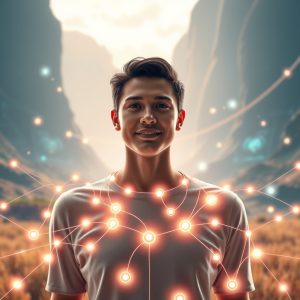
Imagine your body as a vast, ancient forest—roots tangled deep in the earth, leaves whispering secrets to the wind, and every cell a living organism with its own rhythm, its own story. For centuries, we’ve treated illness like a wildfire, rushing to extinguish the flames with quick fixes and harsh chemicals. But what if the future of health isn’t about fighting the fire, but nurturing the soil? What if the key to unshakable immune resilience lies not in the battle, but in the quiet, regenerative dance between what we eat and how we heal?
The Renaissance of Regeneration
Regenerative medicine is not just a field of study; it’s a revolution in how we perceive healing. It’s the art of coaxing the body to remember its own power—to stitch wounds without scars, to rebuild cartilage without surgery, to rejuvenate organs that have been worn thin by time and toxins. Stem cells, once the stuff of science fiction, are now the architects of this renaissance, guiding damaged tissues back to life with the precision of master craftsmen. Platelet-rich plasma (PRP) therapies, once reserved for elite athletes, are now unlocking new possibilities for everyday warriors battling chronic pain or degenerative diseases. And then there’s the promise of organoids—tiny, lab-grown organs that could one day replace damaged ones, not with cold metal and synthetic parts, but with living, breathing tissue that grows and adapts as we do.
But regenerative medicine isn’t just about the cutting edge; it’s about revisiting the wisdom of the past. Practices like acupuncture, which has been stimulating the body’s natural healing pathways for thousands of years, are now being validated by modern science. The needles don’t just ease pain; they awaken the body’s own regenerative signals, like a conductor calling an orchestra to life. Even the ancient practice of fasting, once dismissed as mere superstition, is now recognized as a powerful tool for cellular renewal, flipping the switch on autophagy—the body’s built-in recycling system that clears out damaged cells and makes way for new ones.
The Plant-Powered Immune Symphony
If regenerative medicine is the soil in which healing takes root, then plant-based nutrition is the rain that nourishes it. The foods we eat are not just fuel; they are information, sending signals to every cell in our body, shaping our immune response, and even influencing our genetic expression. The vibrant hues of fruits and vegetables—deep purples, fiery reds, sunlit yellows—are not just a feast for the eyes; they are a symphony of phytonutrients, each playing its part in the grand composition of health.
Take, for example, the humble turmeric root, a golden spice that has been revered in Ayurvedic medicine for millennia. Its active compound, curcumin, is a potent anti-inflammatory, a natural painkiller, and a guardian of the gut lining, where 70% of our immune system resides. Or consider the cruciferous vegetables—broccoli, kale, Brussels sprouts—whose sulfur-containing compounds don’t just detoxify the body; they activate genes that suppress tumor growth and enhance immune surveillance. And let’s not forget the mighty mushroom, a fungal powerhouse that has been used in traditional Chinese medicine for centuries. Varieties like reishi, shiitake, and maitake are not just culinary delights; they are immune modulators, enhancing the body’s ability to fend off invaders while keeping inflammation in check.
But the magic of plant-based nutrition isn’t just in the individual ingredients; it’s in the way they work together, like instruments in an orchestra. A diet rich in whole, unprocessed plants provides a diverse array of fibers that feed the gut microbiome, the trillions of bacteria that call our digestive tract home. These microbes are not passive residents; they are active participants in our health, producing short-chain fatty acids that reduce inflammation, regulate metabolism, and even influence our mood. They are the unsung heroes of immune resilience, the silent guardians that stand between us and the storm.
The Gut-Immune Axis: A Delicate Dance
The gut is often called the body’s second brain, but it might as well be the first when it comes to immune health. The gut-associated lymphoid tissue (GALT) is the largest immune organ in the body, home to 70-80% of our immune cells. It’s here, in the winding corridors of the intestines, that the body decides whether to welcome a substance with open arms or meet it with a defensive strike. The gut microbiome plays a starring role in this decision-making process, training the immune system to distinguish between friend and foe, calming overactive responses, and even producing antimicrobial compounds that keep harmful pathogens at bay.
But this delicate dance is easily disrupted. A diet high in processed foods, sugar, and artificial additives can starve the beneficial microbes, allowing harmful ones to flourish. Chronic stress, antibiotics, and environmental toxins can further throw the system off balance, leading to a state of dysbiosis—a microbial imbalance that has been linked to everything from autoimmune diseases to allergies, obesity, and even depression. The good news? We hold the power to restore harmony. By nourishing our gut with a diverse array of plant foods, we can cultivate a microbiome that is as resilient as it is diverse, a microbial ecosystem that stands as a bulwark against illness and a beacon of vitality.
The Future of Immune Resilience: A Holistic Horizon
The future of immune resilience isn’t found in a single pill, a magic supplement, or a quick-fix protocol. It’s found in the intersection of ancient wisdom and cutting-edge science, in the synergy between regenerative medicine and plant-based nutrition, in the understanding that our bodies are not machines to be fixed, but ecosystems to be nurtured. It’s in the recognition that every bite we take, every step we walk, every breath we draw is an opportunity to either deplete or replenish our reserves of vitality.
Imagine a world where hospitals are not just places of last resort, but centers of regeneration, where patients are treated not just for their symptoms, but for the root causes of their dis-ease. A world where personalized nutrition plans are as common as blood pressure checks, where wearable technology tracks not just our steps, but the health of our microbiome, the rhythm of our circadian clock, the balance of our stress hormones. A world where immune resilience is not a privilege, but a birthright, accessible to all, regardless of zip code or socioeconomic status.
This future is not a distant dream; it’s a horizon we are already moving toward, one mindful choice at a time. It begins with the recognition that our bodies are not separate from the world around us, but deeply interconnected with it. The air we breathe, the water we drink, the soil in which our food grows—these are not just backdrops to our lives, but active participants in our health. When we heal the soil, we heal ourselves. When we nourish the earth, we nourish our cells. And when we embrace the regenerative power of both medicine and nature, we unlock the door to a resilience that is as deep as it is enduring, as vibrant as the forest itself.