The Invisible Guardians: How Wearable Tech and Digital Coaching Are Crafting a Future of Proactive, Personalized Health
Imagine waking up to a world where your health is not a puzzle to be solved in moments of crisis, but a living, breathing narrative written in real-time by the silent guardians of your well-being. A world where your wristwatch doesn’t just tell time—it whispers secrets about your heart’s rhythm, your stress levels, and even the quiet stirrings of inflammation before they bloom into something louder. This is not the distant future; it is the here and now, where wearable health integration and digital health coaching are weaving a tapestry of personalized preventive care so intricate, so attuned to the nuances of your body, that it feels like magic. But it’s not magic. It’s science, art, and a revolution in how we perceive and nurture our health.
The Rise of the Invisible Guardians
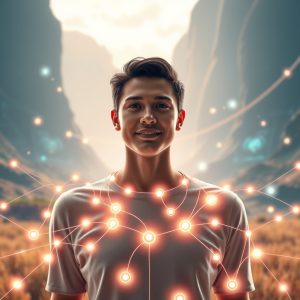
For decades, healthcare has operated on a reactive model—waiting for symptoms to scream before we listen, rushing to treat rather than prevent. But what if we could flip the script? What if, instead of reacting to illness, we could anticipate it, dance with it, and even sidestep it before it takes root? This is the promise of precision health monitoring, where wearable devices like smartwatches, continuous glucose monitors, and biosensors act as our invisible guardians, collecting data with relentless precision. They track our steps, our sleep, our heart rate variability, and even the subtle shifts in our skin temperature that might hint at an impending infection. This isn’t just data; it’s a conversation with our bodies, one that grows richer and more insightful with every passing day.
But data alone is not enough. Raw numbers are like uncut diamonds—beautiful in their potential but lacking the polish to truly shine. This is where digital health coaching steps in, transforming cold, hard data into warm, actionable insights. Imagine a coach who knows you better than you know yourself, who can nudge you toward better sleep when your wearable detects restless nights, or suggest a mindfulness session when your stress levels spike. These coaches aren’t just algorithms; they’re partners in your health journey, blending the precision of technology with the empathy of human touch. They don’t just tell you what’s wrong; they help you understand why it matters and how to fix it, turning data-driven health insights into a roadmap for a healthier, more vibrant life.
The Art of Experiential Wellness
Health is not a destination; it’s an experience, a daily practice of choices that either nourish or deplete us. Yet, for too long, wellness has been framed as a rigid set of rules—eat this, not that; move this much, sleep this long. But what if wellness could be as unique as you are? What if it could adapt to your mood, your energy, your goals, and even your whims? This is the essence of experiential wellness programs, where gamified health improvement and behavioral change therapy turn the journey to well-being into something engaging, even joyful.
Picture this: a wellness app that doesn’t just track your steps but turns them into a quest, where every milestone unlocks a new challenge or a virtual reward. Or a meditation program that adapts to your stress levels in real-time, guiding you through a breathing exercise when it senses your heart rate climbing. These programs don’t just tell you to change; they make change irresistible, weaving elements of play, competition, and personalization into the fabric of your daily routine. They recognize that lasting change doesn’t come from deprivation or discipline alone but from finding joy in the process. And when wellness becomes an experience rather than a chore, it sticks.
The Heart of Patient-Centric Care
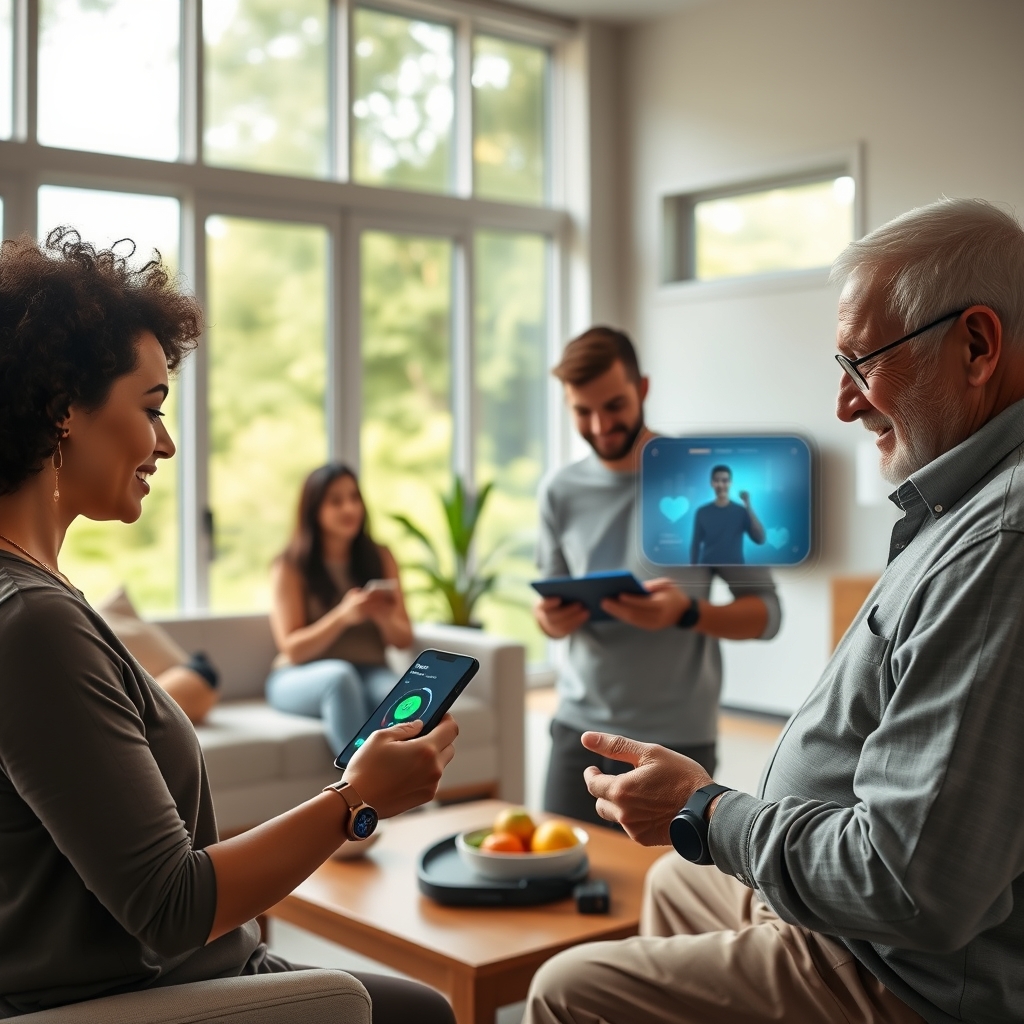
At the core of this revolution is a simple but radical idea: healthcare should revolve around the patient, not the system. Patient-centric care delivery is about more than just convenience; it’s about dignity, autonomy, and the recognition that you are the expert on your own body. It’s about integrated care pathways that don’t just treat symptoms in isolation but see you as a whole person—body, mind, and spirit. It’s about virtual wellness consultations that bring the expertise of a nutritionist, therapist, or fitness coach into your living room, breaking down the barriers of time, distance, and cost. And it’s about value-based health outcomes, where the focus shifts from the quantity of care to the quality of life it enables.
This shift is not just philosophical; it’s practical. When care is centered around the patient, it becomes more accessible, more effective, and more empowering. It means that someone living with a chronic disease doesn’t just receive a prescription but a personalized plan that includes remote health monitoring, mental well-being tracking, and holistic lifestyle management. It means that preventive care isn’t a luxury reserved for the few but a standard accessible to all, where proactive symptom tracking and real-time health analytics become as routine as brushing your teeth. And perhaps most importantly, it means that you are no longer a passive recipient of care but an active participant in your own health story.
The Future Is Proactive, Personal, and Powerful
We stand at the threshold of a new era, one where health is not something we fight for in moments of crisis but something we cultivate every day, with every choice, every breath, every step. This is the era of preventive lifestyle interventions, where the line between healthcare and daily life blurs, and where technology doesn’t just monitor our health but elevates it. It’s an era where wearable health integration and digital health coaching don’t just react to our needs but anticipate them, where experiential wellness programs make healthy living not just achievable but irresistible, and where patient empowerment initiatives put the power of health back where it belongs—in our hands.
The guardians of this new era are not just the devices on our wrists or the apps on our phones; they are the choices we make, the habits we cultivate, and the communities we build. They are the quiet moments of reflection when we listen to the whispers of our bodies, the bold steps we take toward change, and the grace with which we adapt when life throws us curveballs. This is not just the future of health; it’s the future of humanity—one where we are not just surviving but thriving, not just living but flourishing. And it starts with the simple, revolutionary act of paying attention.