
The Silent Pulse: How Real-Time Health Analytics and Experiential Wellness Are Crafting a Future of Intuitive Living
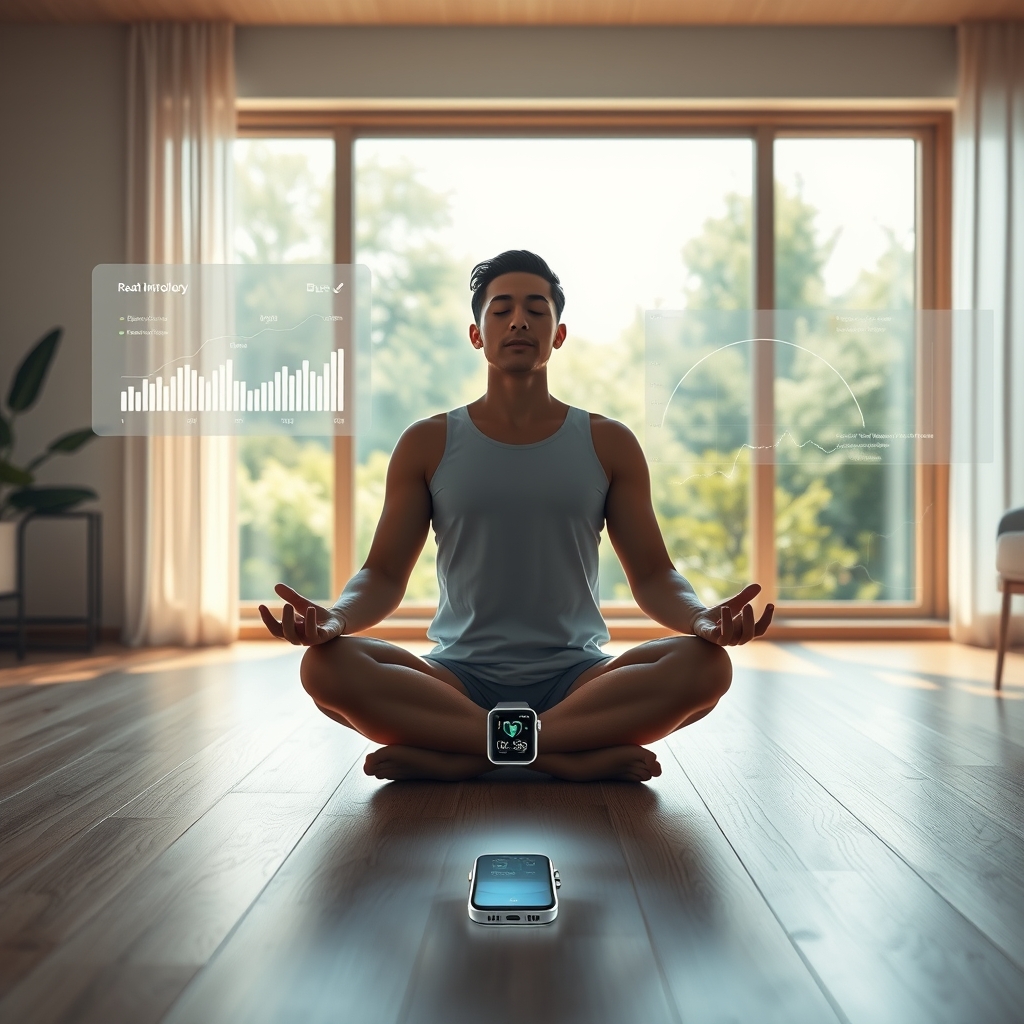
Imagine waking up to a world where your body speaks to you in whispers, not shouts—a world where the first sign of imbalance isn’t a symptom, but a gentle nudge from the data woven into the fabric of your daily life. This isn’t the stuff of science fiction; it’s the quiet revolution of real-time health analytics and experiential wellness programs, where technology doesn’t just monitor your health but becomes an extension of your intuition. The future of well-being isn’t about reacting to illness; it’s about living in such harmony with your body that prevention feels as natural as breathing.
The Alchemy of Data and Intuition
We’ve long been told to “listen to our bodies,” but what if your body could speak in a language you’ve never been fluent in? Wearable health integration has transformed this metaphor into a tangible reality. Devices like smartwatches, biosensors, and even smart fabrics now capture the silent symphony of your physiology—heart rate variability, sleep architecture, glucose fluctuations, and stress biomarkers—translating them into actionable insights. But the magic doesn’t lie in the data alone; it’s in how these insights are delivered. Digital health coaching platforms don’t just dump numbers onto a screen; they weave them into a narrative, turning raw metrics into a story of your well-being. A spike in cortisol isn’t just a red dot on a graph; it’s a prompt to pause, breathe, or adjust your day. A dip in sleep efficiency isn’t a failure; it’s an invitation to explore the hidden stressors or habits that might be disrupting your rest.
This is where precision health monitoring meets patient-centric care delivery. The best wellness programs don’t treat you as a set of data points but as a dynamic, evolving individual. They adapt to your lifestyle, preferences, and even your emotional state, creating a feedback loop where technology and humanity dance in sync. For instance, a holistic lifestyle management app might notice that your stress levels rise every Tuesday evening—perhaps due to a recurring meeting—and suggest a short mindfulness exercise or a walk to recalibrate. It’s not about rigid rules; it’s about creating a dialogue between you and your health.
The Rise of the Empowered Patient
Gone are the days when healthcare was something that happened to you. Today, patient empowerment initiatives are putting the reins firmly in your hands. Proactive symptom tracking tools allow you to log everything from mood fluctuations to digestive discomfort, creating a personalized health journal that evolves with you. Over time, these tools learn your patterns, helping you anticipate and mitigate issues before they escalate. For those managing chronic disease, this can be life-changing. Imagine a diabetic patient receiving real-time feedback on how their body responds to different foods, activities, or stress levels, allowing them to fine-tune their management plan with precision. Or consider someone with anxiety using mental well-being tracking to identify triggers and coping strategies that actually work for them.
The shift toward value-based health outcomes is accelerating this trend. Healthcare providers are increasingly rewarded not for the number of treatments they administer, but for the quality of outcomes they achieve. This incentivizes a focus on prevention, early intervention, and personalized care plans—all of which rely on the kind of granular, real-time data that wearable tech and digital platforms provide. It’s a win-win: patients gain agency over their health, while providers can deliver more effective, efficient care.
The Playful Path to Wellness
If data is the language of this new health paradigm, then gamified health improvement is the poetry. Humans are wired for play, and wellness programs that tap into this innate drive are proving far more effective than those that rely on fear or guilt. Apps that turn fitness into a game—where you earn points for hitting step goals, unlock badges for consistency, or compete in challenges with friends—make health feel less like a chore and more like an adventure. But gamification isn’t just about fun; it’s about behavioral change therapy in disguise. By leveraging principles like rewards, social accountability, and progress tracking, these programs help users build habits that stick.
Take, for example, a preventive lifestyle intervention designed to reduce sedentary behavior. Instead of nagging you to stand up every hour, a gamified app might turn your desk into a “mission control” where you “defend the galaxy” by completing micro-workouts. Or it might sync with your smartwatch to remind you to stretch, not with a generic alert, but with a playful message like, “Your future self just sent you a high-five—don’t leave them hanging!” The result? People don’t just move more; they want to move more.
The Human Touch in a Digital World
For all the wonders of technology, the most transformative wellness experiences are those that blend digital innovation with human connection. Virtual wellness consultations are bridging the gap between convenience and personalized care, allowing users to connect with health coaches, nutritionists, or therapists from anywhere in the world. These sessions aren’t just about receiving advice; they’re about co-creating a wellness plan that aligns with your goals, values, and lifestyle. A digital health coach might help you interpret your wearable data, but they’ll also ask about your stress levels, your sleep environment, or even your relationship with food—factors that numbers alone can’t capture.
Integrated care pathways take this a step further by ensuring that all aspects of your health—physical, mental, and emotional—are addressed in a cohesive way. Imagine a platform that not only tracks your activity and diet but also integrates with your mental health app to suggest mindfulness exercises when your stress levels spike. Or a system that connects your primary care physician, therapist, and nutritionist, so they’re all working from the same playbook. This is the future of holistic wellness: a seamless, interconnected experience where every piece of your health puzzle fits together.
The Unseen Thread of Prevention
At its core, this revolution is about shifting from a model of sick care to one of personalized preventive care. It’s about recognizing that health isn’t a destination but a dynamic, ever-evolving journey. Remote health monitoring and real-time health analytics aren’t just tools; they’re companions on this journey, offering guidance when you need it and celebrating your progress along the way. They remind us that wellness isn’t about perfection; it’s about awareness, adaptation, and the courage to listen—not just to the experts, but to ourselves.
As these technologies continue to evolve, they’re not just changing how we manage our health; they’re redefining what it means to live well. The future isn’t about handing over control to algorithms or devices; it’s about using them to deepen our connection to our own bodies, to our communities, and to the world around us. It’s about waking up each day not with a sense of dread or obligation, but with curiosity and excitement for what our bodies—and our data—will reveal. In this world, health isn’t something we chase; it’s something we cultivate, one mindful, data-informed choice at a time.