
The Digital Elixir: How Telemedicine and Wearable Tech Are Crafting the Future of Preventive Mental Health
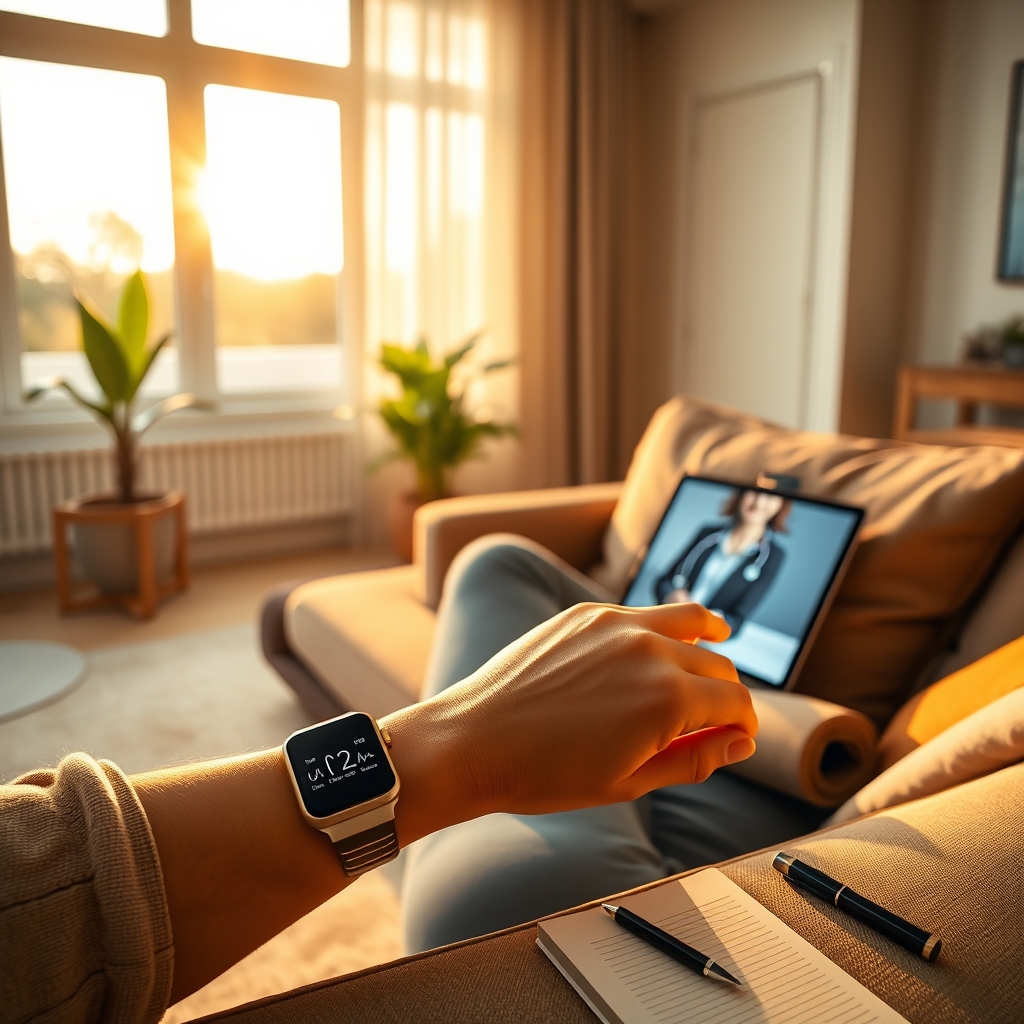
Imagine waking up to the soft glow of dawn filtering through your curtains, your wrist gently pulsing with the warmth of your smartwatch. It’s not just telling time—it’s whispering secrets about your sleep, your stress levels, even the subtle shifts in your mood before you’ve had your first sip of coffee. This isn’t a scene from a sci-fi novel; it’s the quiet revolution unfolding in our bedrooms, our gyms, and our doctor’s offices. The fusion of telemedicine and wearable technology is no longer just a convenience—it’s becoming the cornerstone of preventive mental health, a digital elixir that promises to transform how we understand, manage, and nurture our minds.
The Silent Sentinels on Your Wrist
Wearable technology has evolved from clunky step counters to sophisticated health guardians. Devices like smartwatches and fitness trackers now monitor heart rate variability, sleep architecture, and even galvanic skin response—metrics that offer a window into our mental well-being. A sudden spike in resting heart rate might signal mounting stress, while fragmented sleep could hint at underlying anxiety. These devices don’t just collect data; they translate it into actionable insights, nudging us to pause, breathe, or seek support before a flicker of distress becomes a wildfire.
But the true magic lies in their ability to democratize mental health care. For those in remote areas or with limited access to therapists, wearables act as a bridge, offering real-time feedback and connecting users to telehealth platforms where professionals can interpret the data. It’s preventive care in its most proactive form—catching the whispers of imbalance before they crescendo into crisis.
The Telemedicine Renaissance
Telemedicine has shattered the barriers of geography and stigma, bringing mental health support into the palms of our hands. No longer confined to the four walls of a clinic, therapy sessions now unfold in living rooms, park benches, or even during a lunch break at work. This accessibility is a game-changer, particularly for those who might otherwise avoid seeking help due to time constraints, financial limitations, or the weight of societal judgment.
Platforms like BetterHelp and Talkspace have pioneered this shift, but the next frontier is even more exciting: AI-driven telehealth. Imagine an app that not only connects you to a therapist but also analyzes your speech patterns, facial expressions, and even typing speed to detect early signs of depression or burnout. These tools don’t replace human connection; they augment it, providing clinicians with a richer, more nuanced understanding of their patients’ mental landscapes.
The Power of Personalization
One size never fits all, especially when it comes to mental health. The convergence of telemedicine and wearables is enabling a level of personalization once thought impossible. Your smartwatch might detect a pattern of restless nights and suggest a mindfulness exercise tailored to your circadian rhythm. A telehealth app could recommend a therapist specializing in cognitive behavioral therapy for insomnia, based on your sleep data. This isn’t just healthcare—it’s your healthcare, designed to adapt and evolve with you.
Personalized nutrition and functional fitness are also entering the fray. Wearables can track how different foods affect your mood or energy levels, while telehealth platforms offer virtual consultations with nutritionists who can craft meal plans to support mental clarity. Similarly, fitness apps now curate workouts that align with your stress levels, ensuring that movement becomes a tool for resilience rather than just physical health.
The Ethical Tightrope
With great power comes great responsibility. The rise of digital health tools raises critical questions about data privacy, consent, and the potential for over-reliance on technology. Who owns the intimate details of our mental health? How do we ensure that these tools remain accessible to all, rather than becoming another privilege of the few? And perhaps most importantly, how do we strike a balance between the convenience of digital health and the irreplaceable value of human connection?
These are not just theoretical concerns. As telemedicine and wearables become more integrated into our lives, we must demand transparency, ethical design, and equitable access. The goal is not to replace the human touch but to enhance it, using technology as a tool to deepen our understanding of ourselves and each other.
The Ripple Effect of Prevention
The beauty of preventive mental health care lies in its ripple effect. When we catch stress early, we prevent burnout. When we prioritize sleep hygiene, we bolster our resilience. When we embrace personalized nutrition and fitness, we nurture our minds as much as our bodies. Telemedicine and wearables are not just gadgets or platforms—they are catalysts for a cultural shift, one that values mental well-being as much as physical health.
This shift is already underway. Schools are using wearables to teach students about stress management. Workplaces are integrating telehealth platforms to support employee mental health. Communities are leveraging digital tools to bridge gaps in care, ensuring that no one is left behind. The digital elixir is not a distant dream; it’s a reality taking shape in our hands, on our wrists, and in our hearts.
As the sun rises on this new era of mental health care, we stand at the precipice of something extraordinary. The tools we hold are not just devices—they are invitations. Invitations to listen more deeply to our bodies, to seek help without shame, and to embrace a future where mental well-being is not a luxury, but a fundamental right. The question is no longer whether we can harness the power of telemedicine and wearables, but how far we’re willing to go to ensure that everyone has the chance to thrive. And perhaps, in that journey, we’ll discover that the greatest technology of all is the one we’ve carried within us all along: the capacity to heal, to grow, and to connect.