The Luminous Thread: Weaving Hydration into the Fabric of Daily Renewal
The first sip of water in the morning is not just a ritual; it is an awakening. A quiet, almost sacred gesture that whispers to the body, Here we are again, beginning anew. There is something profoundly poetic about the way water moves through us—like a river carving its path through stone, gentle yet relentless, shaping the landscape of our well-being with every drop. Hydration is not merely a task to be checked off a list; it is a conversation between the self and the world, a dialogue that unfolds in the spaces between thirst and satiety, between the dryness of neglect and the lushness of care.
The Alchemy of Water in the Body’s Ecosystem
Consider the body as a vast, intricate ecosystem, where every cell is a tiny universe unto itself, humming with life and possibility. Water is the thread that weaves these universes together, a luminous current that carries nutrients, flushes toxins, and regulates the delicate balance of temperature and energy. When we drink deeply, we are not just quenching a physical thirst; we are nourishing the invisible rivers that sustain us. The brain, that enigmatic orchestrator of thought and emotion, is nearly 75% water. A mere 2% drop in hydration can dull its sharpness, leaving us foggy, irritable, and disconnected from the clarity we crave. The heart, that tireless engine, relies on water to maintain the viscosity of blood, ensuring it flows effortlessly through the veins like a melody. Even the skin, our body’s largest organ, drinks in moisture to maintain its elasticity, its glow a silent testament to the care we give it.
Yet, in the rush of modern life, hydration often becomes an afterthought, a background hum drowned out by the cacophony of deadlines, notifications, and endless to-do lists. We reach for coffee to jolt our minds awake, for sugary drinks to satiate a craving, for anything but the simple, life-giving essence of water. But what if we paused? What if we treated each glass of water as an act of reverence, a small but profound offering to the temple of the self?
The Ritual of Hydration: A Practice in Mindfulness
Mindfulness is not reserved for meditation cushions or yoga mats; it is a practice that can be woven into the most mundane moments of our day. The act of drinking water, when done with intention, becomes a meditation in itself. Feel the weight of the glass in your hand, the coolness of the liquid against your lips, the way it slides down your throat like a soothing balm. Notice the subtle shifts in your body—the way your muscles relax, your breath deepens, your mind clears. Hydration, then, is not just about meeting a daily quota; it is about cultivating a relationship with the present moment, about recognizing the body’s wisdom and honoring its needs.
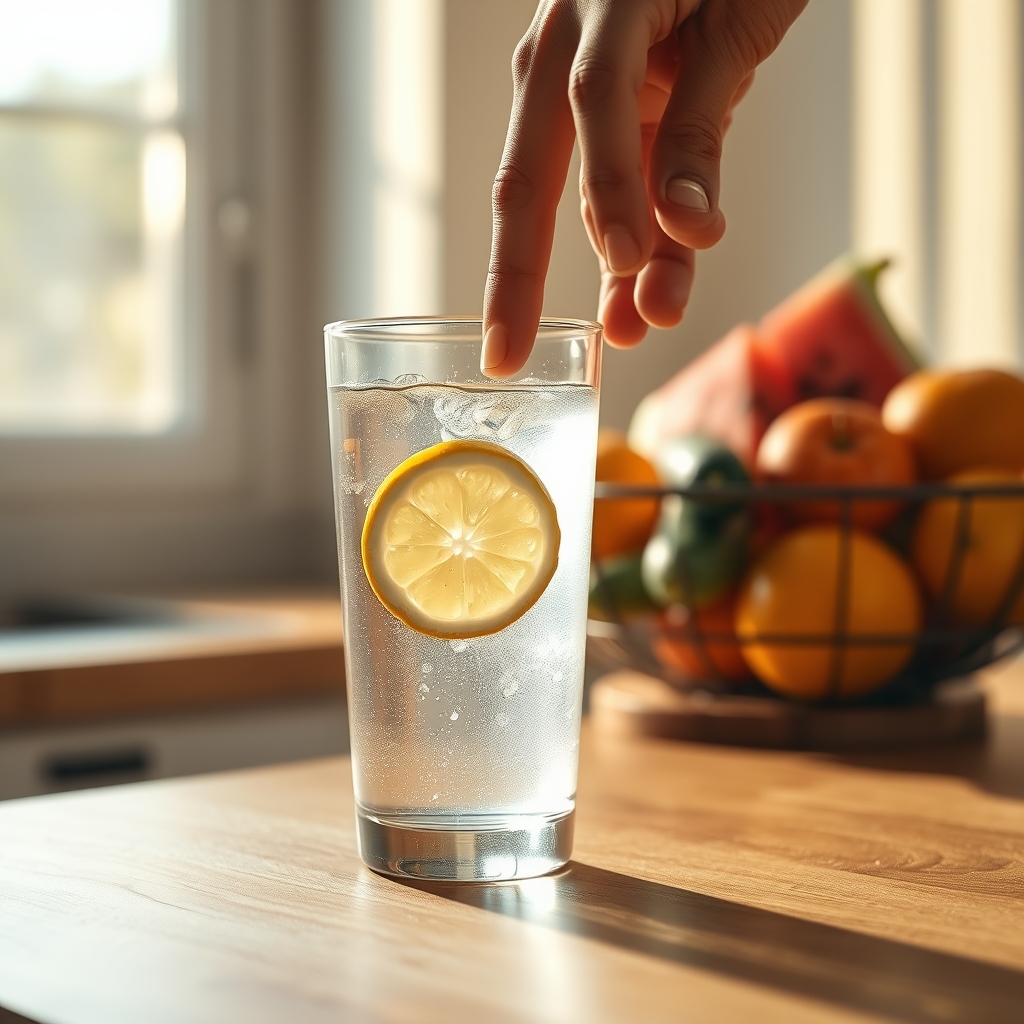
There is a rhythm to hydration, a cadence that mirrors the natural ebb and flow of life. In the morning, when the world is still wrapped in the hush of dawn, a glass of warm lemon water can feel like a gentle nudge, a way of coaxing the body into wakefulness. Throughout the day, sipping water becomes a steady pulse, a reminder to pause, to breathe, to reconnect. And in the evening, as the sun dips below the horizon, a final glass can signal the transition from the busyness of the day to the quiet of the night, a way of preparing the body for rest and renewal.
The Hidden Language of Thirst
Thirst is not always a loud, insistent demand; sometimes, it is a whisper, a subtle nudge that is easily ignored. We mistake it for hunger, for fatigue, for boredom, reaching for snacks or stimulants when what we truly need is the simple purity of water. Learning to listen to the body’s cues is an act of self-trust, a way of tuning into the silent language that speaks through sensations and signals. Dry lips, a parched throat, a dull headache—these are not just inconveniences; they are messages, invitations to slow down and replenish.
In a world that glorifies productivity and busyness, hydration can feel like an act of rebellion. It is a refusal to ignore the body’s needs in favor of external demands, a quiet assertion that well-being is not a luxury but a necessity. When we prioritize hydration, we are not just caring for our physical health; we are nurturing a deeper connection to ourselves, a recognition that our bodies are not machines to be pushed to their limits but living, breathing ecosystems that deserve our attention and care.
Beyond the Glass: Hydration as a Holistic Practice
Hydration is not limited to the water we drink; it is also about the water we absorb through the foods we eat. Fruits and vegetables, with their high water content, are nature’s way of offering hydration in its most vibrant, nutrient-rich form. A juicy slice of watermelon on a hot summer day, a crisp apple in the afternoon, a bowl of cucumber and mint-infused salad—these are not just foods but edible sources of renewal, a way of nourishing the body from the inside out. Even the air we breathe, the humidity of our environment, plays a role in our hydration, a reminder that we are not separate from the world around us but deeply interconnected with it.
In this way, hydration becomes a holistic practice, one that extends beyond the individual to the broader tapestry of life. It is a recognition that our well-being is not just about what we consume but how we engage with the world, how we honor the delicate balance of giving and receiving. When we drink water mindfully, we are not just hydrating our bodies; we are participating in a larger cycle of renewal, a dance of life that flows through us and around us.
The next time you reach for a glass of water, pause for a moment. Feel its weight in your hand, the way it catches the light, the promise it holds. Drink it slowly, with gratitude, as if it were the first sip of a new day, a new beginning. For in that simple act, you are not just quenching your thirst; you are weaving a luminous thread of care into the fabric of your life, a thread that connects you to the rhythm of your body, the wisdom of the earth, and the quiet, enduring power of renewal.