Unlocking Inner Strength: A Holistic Approach to Mental Wellness and Resilience
In the relentless pace of modern life, maintaining a robust sense of mental well-being is no longer a luxury but a fundamental necessity. We often find ourselves caught in a whirlwind of responsibilities, digital distractions, and societal pressures, which can gradually erode our inner peace and resilience. However, by intentionally adopting a holistic approach, we can cultivate a stronger, more balanced self, equipped to navigate challenges with grace and emerge stronger. This journey towards comprehensive mental wellness is not about eradicating stress or anxiety entirely, but rather developing the tools and perspectives to manage them effectively and foster enduring inner strength.
Cultivating Emotional Intelligence: The Foundation of Well-being
Emotional intelligence (EI) serves as the bedrock for all other mental wellness strategies. It’s the capacity to understand, use, and manage your own emotions in positive ways to relieve stress, communicate effectively, empathize with others, overcome challenges, and defuse conflict. Without a solid grasp of our emotional landscape, efforts to manage stress or practice mindfulness can feel like building a house on shifting sand. Developing EI begins with self-awareness – recognizing your feelings as they happen, understanding their triggers, and observing how they influence your thoughts and behavior.
Understanding Your Inner Landscape
To deepen your emotional intelligence, regularly pause and check in with yourself. Ask: “What am I feeling right now? Why might I be feeling this way?” Journaling for clarity can be an incredibly powerful tool here, allowing you to externalize your thoughts and emotions, making patterns more visible. Once aware, the next step is emotional regulation. This doesn’t mean suppressing feelings, but rather choosing how to respond to them constructively. Learning to label emotions accurately, without judgment, helps to create a healthy distance, allowing for more thoughtful action rather than reactive impulses. Empathy, another crucial component of EI, extends this understanding to others, fostering stronger social connections and a sense of belonging.
Harnessing the Power of Mindful Practices
Mindful meditation practices are not just for gurus; they are accessible tools for anyone seeking to reduce stress and enhance mental clarity. Mindfulness is essentially paying attention to the present moment without judgment. It grounds us, pulling us away from ruminating on the past or worrying about the future, and placing us firmly in the here and now, where true peace resides.
Daily Meditation for Calm and Clarity
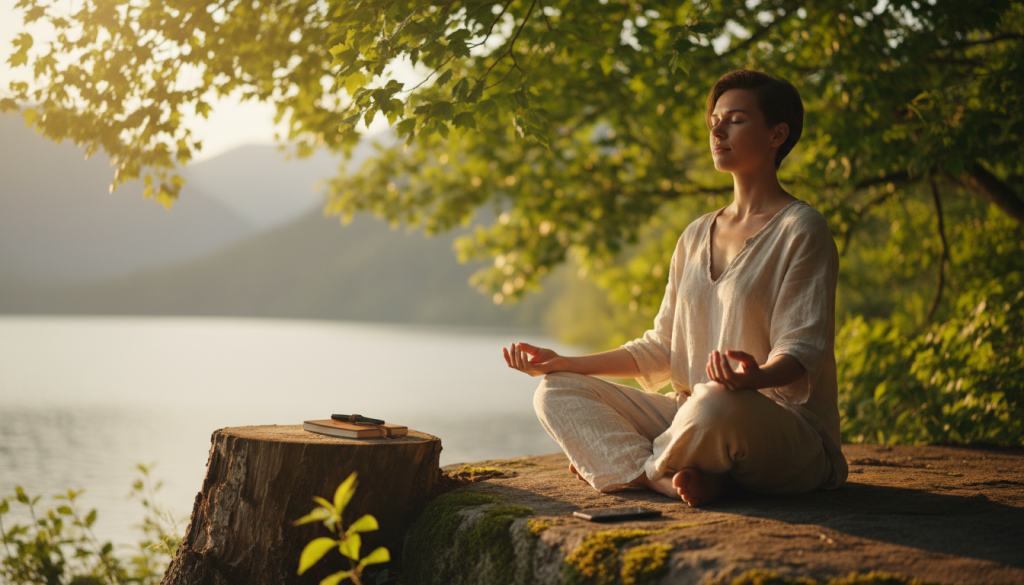
Even a few minutes of mindful meditation each day can significantly impact your stress levels and overall mood. Start small: find a quiet space, sit comfortably, and focus on your breath. Notice the sensation of air entering and leaving your body. When your mind wanders, gently guide it back to your breath. Consistency is key; over time, this practice trains your brain to be more present and less reactive. Complementing this, grounding techniques, such as the 5-4-3-2-1 method (identifying 5 things you can see, 4 things you can feel, 3 things you can hear, 2 things you can smell, and 1 thing you can taste), can quickly bring you back to the present moment during moments of heightened anxiety.
Positive Self-Affirmation and Self-Compassion
Our internal dialogue profoundly shapes our reality. Positive self-affirmation involves consciously challenging negative self-talk and replacing it with supportive, encouraging statements. This isn’t about ignoring problems, but about fostering a belief in your own capability to overcome them. Hand-in-hand with this is self-compassion – treating yourself with the same kindness, care, and understanding you would offer a good friend. When facing setbacks or perceived failures, instead of harsh self-criticism, practice acknowledging your struggle with warmth and understanding. These exercises build emotional resilience and protect against the corrosive effects of self-doubt.
Building Resilience Against Modern Stressors
Resilience isn’t about avoiding difficulties, but about effectively bouncing back from them. Daily resilience building involves a combination of proactive strategies and responsive techniques to manage the inevitable stresses of life.
Strategic Stress Reduction and Anxiety Management
Effective stress reduction strategies are diverse and personal. Deep breathing exercises, progressive muscle relaxation, and engaging in creative outlet healing like art, music, or writing, are excellent ways to release tension. Cognitive Behavioral Tools (CBT) can also be immensely helpful in identifying and reframing unhelpful thought patterns that contribute to anxiety. Furthermore, establishing healthy boundary setting is crucial. Learning to say “no” to commitments that overwhelm you, protecting your personal time and energy, and communicating your needs clearly are vital steps towards preventing burnout and maintaining mental equilibrium.
The Importance of Digital Detox and Sleep Hygiene
In an always-on world, digital detox habits are essential for mental clarity. Regularly disconnecting from screens – even for an hour before bed or a dedicated day each week – allows your mind to rest, recharge, and engage with the physical world. This directly impacts sleep hygiene improvement. Prioritizing consistent sleep schedules, creating a relaxing bedtime routine, and ensuring your sleep environment is conducive to rest are non-negotiable for mental and physical health. Poor sleep exacerbates stress, anxiety, and impairs cognitive function, creating a vicious cycle.
Nurturing Connections and Seeking Support
Humans are social creatures, and meaningful social connection skills are paramount for mental well-being. Isolation can be as detrimental to health as smoking, highlighting the need to actively cultivate and maintain relationships.
Strengthening Social Bonds
Invest time and energy into your relationships with family, friends, and community. Engage in activities that foster connection, whether it’s joining a club, volunteering, or simply having regular conversations with loved ones. Sharing experiences, offering and receiving support, and feeling understood by others are powerful buffers against loneliness and despair. Even utilizing mood tracking apps to understand your emotional patterns can provide insights to share with trusted individuals, further deepening connections.
When to Seek Professional Guidance
While self-help strategies are invaluable, there are times when professional therapy and counseling are necessary and highly beneficial. Reaching out to a mental health professional is a sign of strength, not weakness. Therapists can provide objective perspectives, teach advanced coping mechanisms, and help process deeper emotional issues that might be difficult to navigate alone. Whether dealing with persistent anxiety, depression, trauma, or simply seeking guidance for personal growth, professional support offers a safe and confidential space for healing and development.
Embracing a personal growth mindset means viewing mental wellness as an ongoing journey, not a destination. It involves continuous learning, adapting, and integrating new practices into your life. By consistently applying these principles – from fostering emotional intelligence and practicing mindfulness to building resilience and nurturing connections – you are actively investing in a richer, more fulfilling existence. The true measure of our well-being lies not in the absence of struggle, but in our capacity to meet life’s challenges with inner strength, compassion, and an unwavering commitment to our holistic health.