
The Rise of Digital Health: Tools and Apps for Preventive Care
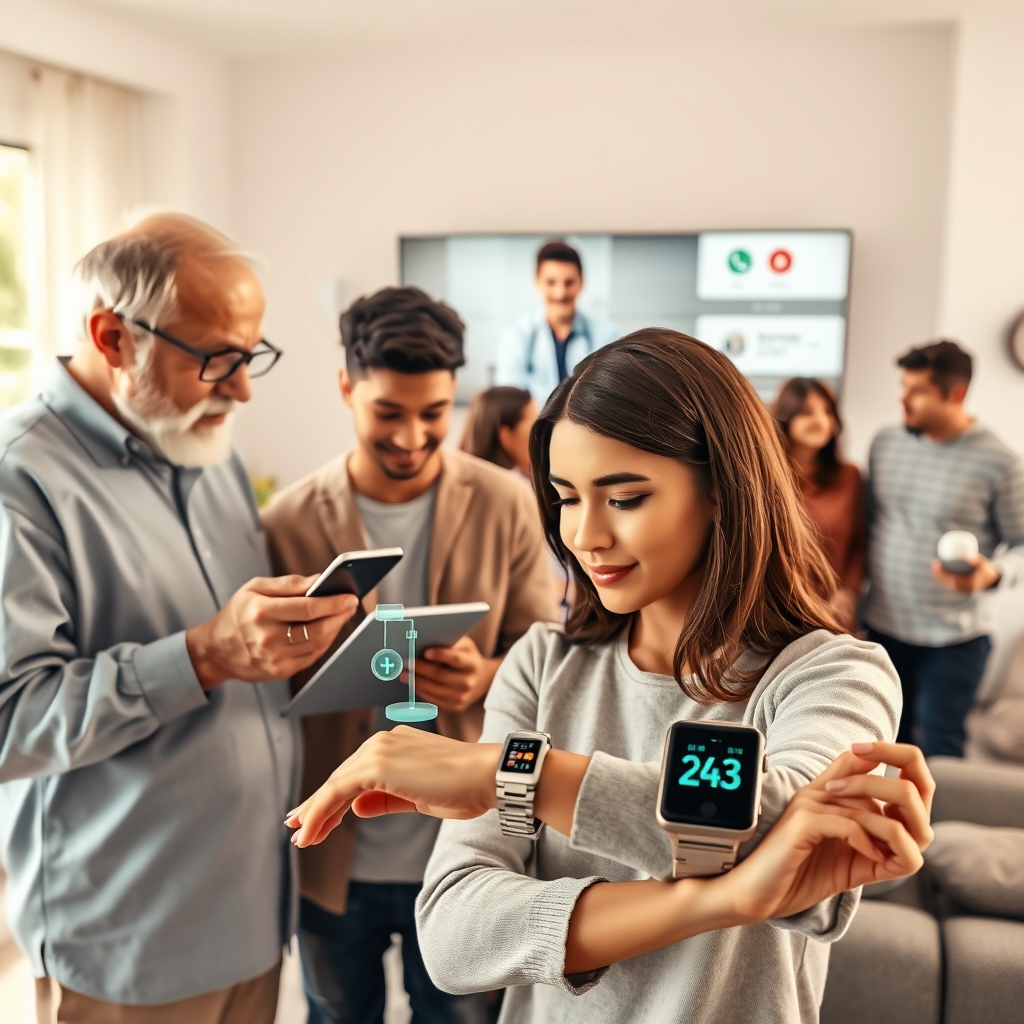
The intersection of technology and healthcare has given birth to a new era of preventive care, where individuals are no longer passive recipients of medical advice but active participants in their own well-being. Digital health tools and apps have democratized access to health monitoring, making it easier than ever to track vital signs, manage chronic conditions, and adopt healthier lifestyles. These innovations are not just gadgets or trends; they are transformative forces reshaping how we approach wellness, longevity, and disease prevention.
The Evolution of Digital Health
Digital health has evolved from simple pedometers and calorie counters to sophisticated platforms that leverage artificial intelligence (AI), machine learning, and real-time data analytics. Early adopters of fitness trackers like Fitbit and Apple Watch paved the way for more advanced applications, such as continuous glucose monitors for diabetics, ECG-enabled smartwatches, and AI-driven mental health chatbots. The COVID-19 pandemic accelerated this shift, as telemedicine and remote monitoring became essential tools for maintaining healthcare access while minimizing physical contact.
Today, digital health tools are not just about tracking steps or sleep patterns. They encompass a broad spectrum of functionalities, including medication reminders, symptom checkers, personalized nutrition plans, and even genetic testing integration. These tools are designed to provide actionable insights, empowering users to make informed decisions about their health before minor issues escalate into serious problems.
Key Features of Modern Digital Health Tools
Real-Time Health Monitoring
One of the most significant advancements in digital health is the ability to monitor health metrics in real time. Wearable devices like the Apple Watch Series 8 and Samsung Galaxy Watch 5 can track heart rate, blood oxygen levels, and even detect irregular heart rhythms. For individuals with chronic conditions such as hypertension or diabetes, continuous monitoring can be life-saving. Apps like Dexcom and Freestyle Libre provide real-time glucose readings, allowing users to adjust their diet, exercise, or insulin doses on the fly.
AI-Powered Personalization
Artificial intelligence is at the heart of many modern health apps, enabling hyper-personalized recommendations based on user data. For example, apps like Ada Health and Buoy use AI to analyze symptoms and provide potential diagnoses, while platforms like Noom and MyFitnessPal tailor diet and exercise plans to individual goals and preferences. AI-driven mental health apps, such as Woebot and Wysa, offer cognitive behavioral therapy (CBT) techniques and emotional support, making mental health care more accessible and stigma-free.
Integration with Holistic Wellness
Digital health tools are increasingly integrating with broader wellness ecosystems, recognizing that health is not just about physical metrics but also mental, emotional, and social well-being. Apps like Headspace and Calm focus on mindfulness and stress reduction, while platforms like Strava and Nike Training Club foster community engagement through social features and challenges. Even corporate wellness programs are leveraging these tools to promote employee health, offering incentives for achieving fitness goals or participating in mental health workshops.
Telemedicine and Virtual Care
The rise of telemedicine has been one of the most transformative aspects of digital health, particularly in underserved or remote areas. Platforms like Teladoc, Amwell, and Doctor on Demand connect patients with healthcare providers via video calls, reducing the need for in-person visits. This not only improves access to care but also lowers healthcare costs and minimizes the risk of exposure to infectious diseases. For preventive care, telemedicine enables regular check-ins with healthcare providers, ensuring that potential issues are caught early.
User Testimonials: Real-Life Impact
The true measure of digital health tools lies in their impact on real lives. Take, for example, Sarah, a 34-year-old marketing professional who struggled with anxiety and insomnia. After using the Calm app for three months, she reported a 40% reduction in anxiety symptoms and significantly improved sleep quality. “The guided meditations and sleep stories were a game-changer for me,” she says. “I no longer feel like I’m at the mercy of my thoughts.”
Then there’s James, a 52-year-old with type 2 diabetes who credits the Dexcom G6 continuous glucose monitor with helping him achieve better control over his blood sugar levels. “Before using Dexcom, I was constantly guessing how my body would react to food or exercise,” he explains. “Now, I have real-time data that helps me make smarter choices. My A1C levels have dropped, and I feel more in control of my health than ever.”
For Maria, a 28-year-old new mother, the Ovia Parenting app became an indispensable tool for tracking her baby’s development and her own postpartum recovery. “The app provided personalized tips and reminders, which were incredibly helpful during those overwhelming first few months,” she shares. “It also connected me with a community of other new moms, which made me feel less alone.”
Challenges and Considerations
While digital health tools offer immense promise, they are not without challenges. Data privacy and security remain major concerns, as these apps often collect sensitive health information. Users must be vigilant about choosing reputable platforms with robust encryption and transparent data policies. Additionally, the accuracy of some consumer-grade health devices has been called into question, with studies showing discrepancies between wearable data and clinical measurements. It’s essential to view these tools as complementary to, rather than replacements for, professional medical advice.
Another challenge is the digital divide. Not everyone has access to smartphones, high-speed internet, or the technological literacy required to use these tools effectively. This disparity can exacerbate existing health inequalities, particularly in low-income or rural communities. Efforts to bridge this gap, such as government subsidies for telemedicine or community-based digital literacy programs, are crucial for ensuring that the benefits of digital health are accessible to all.
As digital health continues to evolve, the focus must remain on empowering individuals to take charge of their well-being in a way that is inclusive, secure, and evidence-based. The tools and apps available today are just the beginning of a broader movement toward preventive care, where technology serves as a bridge between patients and providers, and between data and actionable insights. The future of health is not just about treating illness but preventing it, and digital health tools are leading the way in making that future a reality. With every step tracked, every heartbeat monitored, and every mindful breath logged, we are collectively moving toward a healthier, more proactive approach to wellness—one that prioritizes prevention as much as it does cure.