
From Stress to Serenity: Holistic Approaches to Mental Wellbeing
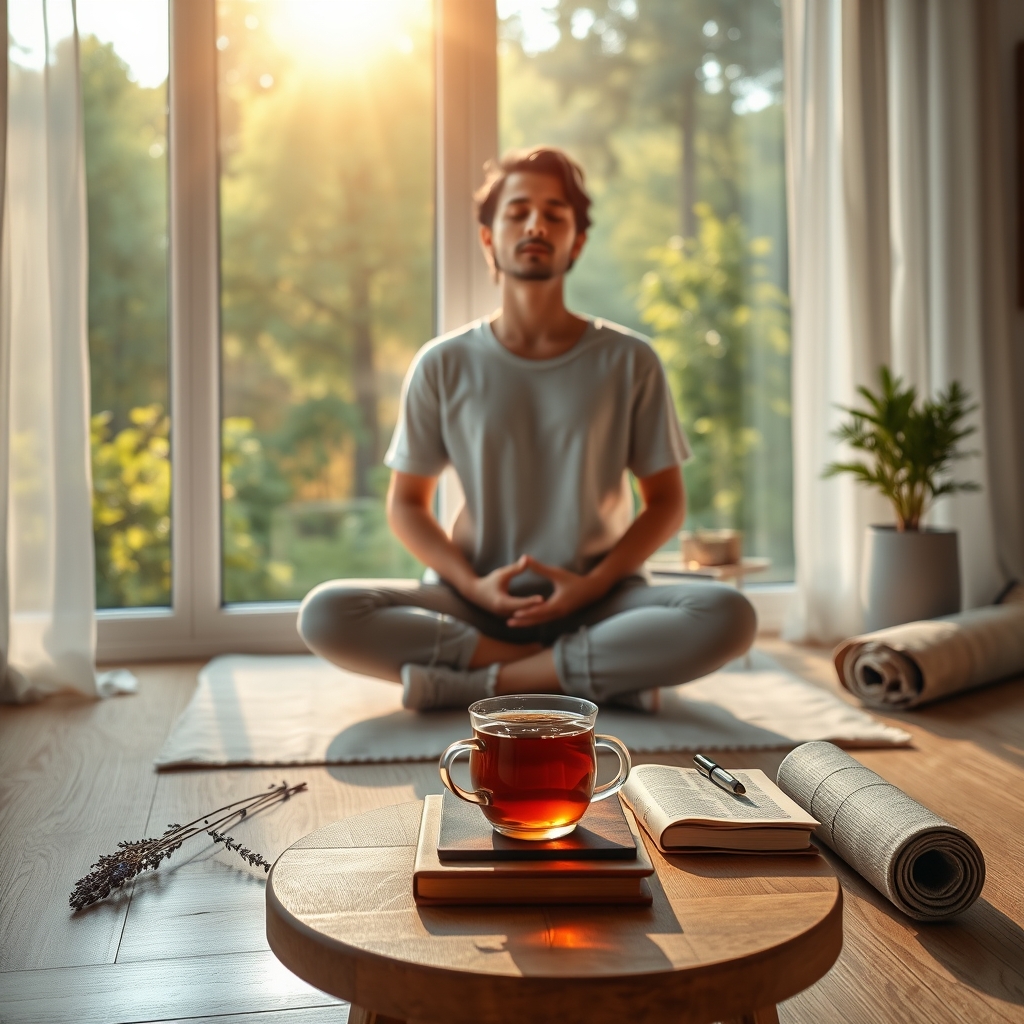
In today’s fast-paced world, stress and anxiety have become almost ubiquitous, affecting millions of people across all walks of life. While conventional treatments like medication and therapy are invaluable, an increasing number of individuals are turning to holistic approaches to complement their mental health journey. These methods focus on the interconnectedness of mind, body, and spirit, offering a more balanced and sustainable path to serenity. By integrating practices such as meditation, yoga, herbal remedies, and mindful therapy, it’s possible to cultivate a deeper sense of calm and resilience.
The Power of Mindfulness and Meditation
Mindfulness and meditation are cornerstones of holistic mental wellbeing. These practices encourage individuals to anchor themselves in the present moment, reducing the mental clutter that often fuels stress and anxiety. Research has shown that regular meditation can lower cortisol levels—the hormone associated with stress—while also improving focus, emotional regulation, and overall mental clarity. Even just a few minutes of daily practice can yield noticeable benefits.
For beginners, guided meditations or apps can provide structure and support. Techniques like body scan meditation, where attention is gently directed to different parts of the body, or loving-kindness meditation, which fosters compassion toward oneself and others, can be particularly effective. The key is consistency; like any skill, meditation becomes more natural and impactful with time and dedication.
Yoga: Uniting Body and Mind
Yoga is another holistic practice that harmonizes physical movement with breathwork and mental focus. Originating in ancient India, yoga has evolved into various styles, from the gentle flows of Hatha to the more dynamic sequences of Vinyasa. Each style offers unique benefits, but all share a common goal: to create balance within the body and mind.
Physically, yoga improves flexibility, strength, and posture, which can alleviate tension and discomfort. Mentally, the emphasis on breath control and mindfulness helps quiet the mind, reducing symptoms of anxiety and depression. Studies have even shown that yoga can increase GABA levels—a neurotransmitter that promotes relaxation and reduces nervous system activity. Whether practiced in a studio or at home, yoga provides a sanctuary for self-care and introspection.
Herbal Remedies and Natural Supplements
Nature has long been a source of healing, and herbal remedies offer a gentle yet effective way to support mental wellbeing. Adaptogens like ashwagandha and rhodiola are renowned for their ability to help the body adapt to stress, while herbs like chamomile and lavender are celebrated for their calming properties. These remedies can be consumed as teas, tinctures, or supplements, providing a natural alternative or complement to conventional treatments.
It’s important to approach herbal remedies with mindfulness, as they can interact with medications or have varying effects on individuals. Consulting a healthcare provider or a qualified herbalist ensures safety and efficacy. When used responsibly, these natural allies can play a valuable role in managing stress and promoting emotional balance.
Integrating Therapy with Holistic Practices
While holistic methods are powerful on their own, their impact can be amplified when combined with traditional therapy. Approaches like cognitive-behavioral therapy (CBT) or dialectical behavior therapy (DBT) can be enhanced by incorporating mindfulness techniques, breathwork, or even yoga. This integrative approach addresses mental health from multiple angles, fostering deeper healing and personal growth.
For example, a therapist might guide a client through a mindfulness exercise during a session to help them process emotions in real time. Alternatively, journaling—another holistic tool—can be used to track progress and reflect on insights gained through therapy. The synergy between these methods creates a robust framework for long-term mental wellbeing.
Creating a Personalized Holistic Routine
One of the greatest strengths of holistic approaches is their adaptability. There is no one-size-fits-all solution; instead, individuals are encouraged to explore and tailor practices to their unique needs and preferences. A personalized routine might include a morning meditation, an evening yoga session, and herbal teas to unwind before bed. The goal is to create a sustainable rhythm that nurtures both body and mind.
Experimenting with different techniques can be an enlightening process. Some may find solace in the stillness of meditation, while others might thrive in the movement of yoga or the creativity of art therapy. The beauty of holistic wellbeing lies in its flexibility—it invites individuals to listen to their intuition and craft a path that resonates with their soul.
As we navigate the complexities of modern life, the pursuit of mental wellbeing is not a destination but a continuous journey. Holistic approaches offer a roadmap to serenity, one that honors the interconnectedness of our physical, emotional, and spiritual selves. By embracing these practices, we not only manage stress but also cultivate a deeper sense of peace, purpose, and joy. The tools are within reach; all it takes is the willingness to begin and the patience to let the journey unfold.