The Velvet Hour: How the Quiet Art of Functional Movement Stitches Together Body and Soul
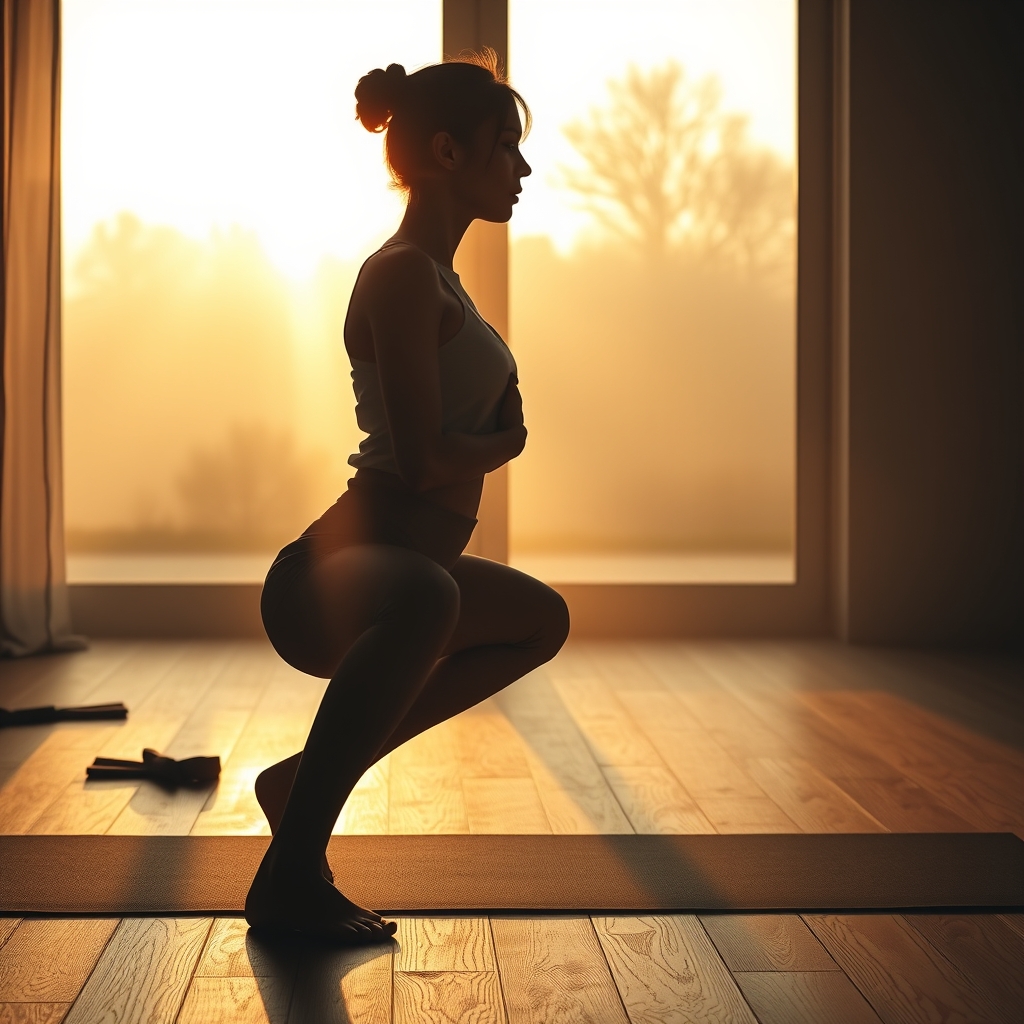
The first light of dawn spills across the floor like liquid gold, pooling in the crevices of stillness before the day begins its relentless march. In that hush, when the world is soft and unformed, I find myself drawn not to the clamor of alarms or the siren call of productivity, but to the quiet art of movement—functional, fluid, and deeply personal. It is not the kind of movement that counts reps or chases exhaustion, but the kind that listens, that bends and stretches and flows in response to the body’s whispered needs. This is the velvet hour of wellness, where strength is not measured in pounds lifted but in the grace with which we carry ourselves through the world.
The Body as a Living Metaphor
There is a poetry in functional fitness that transcends the mechanics of exercise. It is the poetry of a body in conversation with itself, of muscles and joints and breath weaving together in a dance that feels less like work and more like a homecoming. When I lower myself into a squat, knees tracking over toes, hips sinking toward the earth, I am not just building strength—I am remembering how to root. When I press my palms into the floor and lift my hips into a bridge, I am not merely engaging my glutes; I am reclaiming the arch of my spine, the forgotten language of my own posture. These movements are not isolated acts but threads in a larger tapestry, each one stitching together the fragments of a body that too often feels like a collection of parts rather than a whole.
Functional training is, at its core, a practice of integration. It asks us to move as we were designed to move: with intention, with fluidity, with an awareness of how each action ripples through the rest of the body. A deadlift is not just about the hamstrings; it is about the stability of the core, the grip of the hands, the steady gaze of the eyes. A push-up is not just about the chest; it is about the breath that fills the lungs, the shoulders that hold the weight of the world, the toes that press into the earth for balance. In this way, functional movement becomes a metaphor for life itself—a reminder that we are not separate from our actions but deeply, inextricably entwined with them.
The Wisdom of the Unseen
What fascinates me most about this approach to fitness is its reverence for the unseen. We live in a culture that glorifies the visible—the sculpted arms, the defined abs, the numbers on a scale—but functional training whispers a different truth: that the most profound transformations happen beneath the surface. It is in the quiet strength of the deep core muscles, the resilience of the connective tissue, the intricate network of nerves that carry messages from brain to body and back again. These are the unsung heroes of movement, the silent architects of our physical existence.
When I first began exploring functional fitness, I was struck by how much it demanded of me—not in terms of intensity, but in terms of presence. It required me to slow down, to pay attention, to move with a kind of deliberate mindfulness that felt almost meditative. There were no distractions, no mirrors to check my form, no music to drown out the sound of my own breath. There was only the weight of my body, the pull of gravity, and the steady rhythm of my heartbeat. In those moments, I realized how rarely I truly listened to my body. I had spent years treating it like a machine, pushing it to perform, ignoring its signals until they became impossible to ignore. Functional movement taught me to listen again, to trust the wisdom of the unseen, to honor the body not as a tool but as a teacher.
The Alchemy of Daily Rituals
What begins as a practice of movement soon spills into the rest of life, like ink bleeding across the pages of a journal. The principles of functional fitness—balance, stability, mobility, strength—become lenses through which I view the world. I notice how I carry my groceries, not just as a task to be completed but as an opportunity to engage my core, to distribute the weight evenly between both arms. I observe how I sit at my desk, not just as a posture to endure but as a chance to lengthen my spine, to ground my feet, to breathe deeply into my belly. Even the way I walk becomes a practice, a conscious act of placing one foot in front of the other with intention, as if the ground beneath me is sacred.
This is the alchemy of daily rituals: the way small, seemingly insignificant actions accumulate into something greater than themselves. A morning stretch becomes a meditation. A walk around the block becomes a moving prayer. A few minutes of mobility work becomes a love letter to my body, a promise to treat it with the care and respect it deserves. And in this way, functional fitness ceases to be just another item on my to-do list and becomes instead a way of being—a quiet, steady commitment to moving through the world with grace, with awareness, with reverence for the miracle of this flesh and bone.
The Unfolding Path
There is no finish line in this journey, no final destination where the work is done and the body is perfected. There is only the unfolding, the slow and steady process of coming home to oneself, one movement at a time. Some days, the path feels effortless, my body moving with a fluidity that surprises me. Other days, it feels like wading through molasses, every step a struggle, every breath a reminder of my own limitations. But even on those days, there is a strange kind of beauty in the struggle—the way it forces me to confront my edges, to soften my resistance, to meet myself exactly where I am.
Perhaps that is the greatest gift of functional movement: the way it teaches us to embrace the full spectrum of our humanity. It does not ask us to be machines, to perform flawlessly, to push beyond our limits in the name of progress. It asks us to be human—to move with our strengths and our weaknesses, our grace and our clumsiness, our power and our vulnerability. It asks us to trust that the body knows what it needs, if only we would listen. And in that listening, we find not just strength, but a deeper kind of wholeness—a sense of being fully, unapologetically alive in this skin, in this moment, on this earth.
The velvet hour of dawn has long since given way to the bright light of day, but the quiet it brought lingers. I carry it with me, not as a memory but as a living thing, a pulse that beats beneath my skin. It is in the way my feet meet the floor when I rise from bed, in the stretch of my arms as I reach for the sky, in the steady inhale and exhale that reminds me I am here, I am alive, I am enough. And in that knowing, the journey continues—not toward some distant goal, but deeper into the heart of what it means to be human, one mindful movement at a time.