The Art of Listening to Your Body: How Data-Driven Insights and Holistic Care Are Redefining Preventive Health
Imagine waking up each morning to a gentle nudge—not from an alarm clock, but from your own body, whispering secrets about your health before the day even begins. What if your wristwatch didn’t just tell time, but listened to your heartbeat, measured your stress, and predicted fatigue before it struck? What if your healthcare journey wasn’t a reactive sprint to the doctor’s office after symptoms appeared, but a harmonious dialogue between you, your body, and a network of intelligent tools designed to keep you thriving? This isn’t a distant fantasy; it’s the reality unfolding through the fusion of personalized preventive care and precision health monitoring, where every breath, step, and heartbeat becomes a data point in a larger story of well-being.
The Silent Revolution of Wearable Health Integration
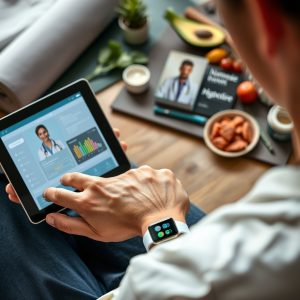
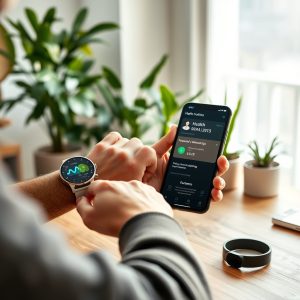
The first time I slipped on a smartwatch, I expected little more than a step counter and a way to screen calls without digging my phone out of my bag. What I didn’t anticipate was the way it would transform my relationship with my body. That tiny device didn’t just track my runs—it revealed patterns I’d never noticed: the way my heart rate spiked during stressful meetings, how my sleep quality plummeted after late-night screen time, and the subtle rise in my resting heart rate days before I felt the first tickle of a cold. It was as if I’d been handed a stethoscope to my own life, one that translated the language of my physiology into actionable insights.
Wearable technology has evolved from novelty to necessity, seamlessly integrating into our daily routines to offer real-time health analytics that were once confined to clinical settings. These devices don’t just passively collect data; they engage us in a continuous feedback loop, turning abstract numbers into tangible goals. A spike in blood pressure isn’t just a statistic—it’s a prompt to pause, breathe, and recalibrate. A dip in sleep efficiency isn’t a failure; it’s an invitation to explore the root cause, whether it’s caffeine, stress, or an overactive mind. This is the power of wearable health integration: it doesn’t just monitor; it empowers.
The Human Touch in a Digital World
Yet, for all the wonders of technology, there’s a risk of losing the human element in the sea of data. Numbers alone can’t capture the nuances of how we feel—the anxiety that lingers after a tough conversation, the joy that makes our hearts race during a sunset walk, or the exhaustion that seeps into our bones after months of pushing too hard. This is where digital health coaching and patient-centric care delivery step in, bridging the gap between cold, hard data and the lived experience of being human.
I’ll never forget my first session with a digital health coach. I expected a generic pep talk about diet and exercise, but what I got was something far more profound: a conversation. My coach didn’t just look at my step count or sleep score; she asked about my stress levels, my work-life balance, and the small, daily habits that brought me joy. Together, we wove my data into a narrative, transforming my wearable’s beeps and buzzes into a roadmap for sustainable change. It wasn’t about rigid rules or guilt-inducing metrics; it was about understanding my body’s unique rhythms and honoring them. This is the heart of patient empowerment initiatives—not just handing people tools, but teaching them how to use them to reclaim agency over their health.
The Alchemy of Experiential Wellness Programs
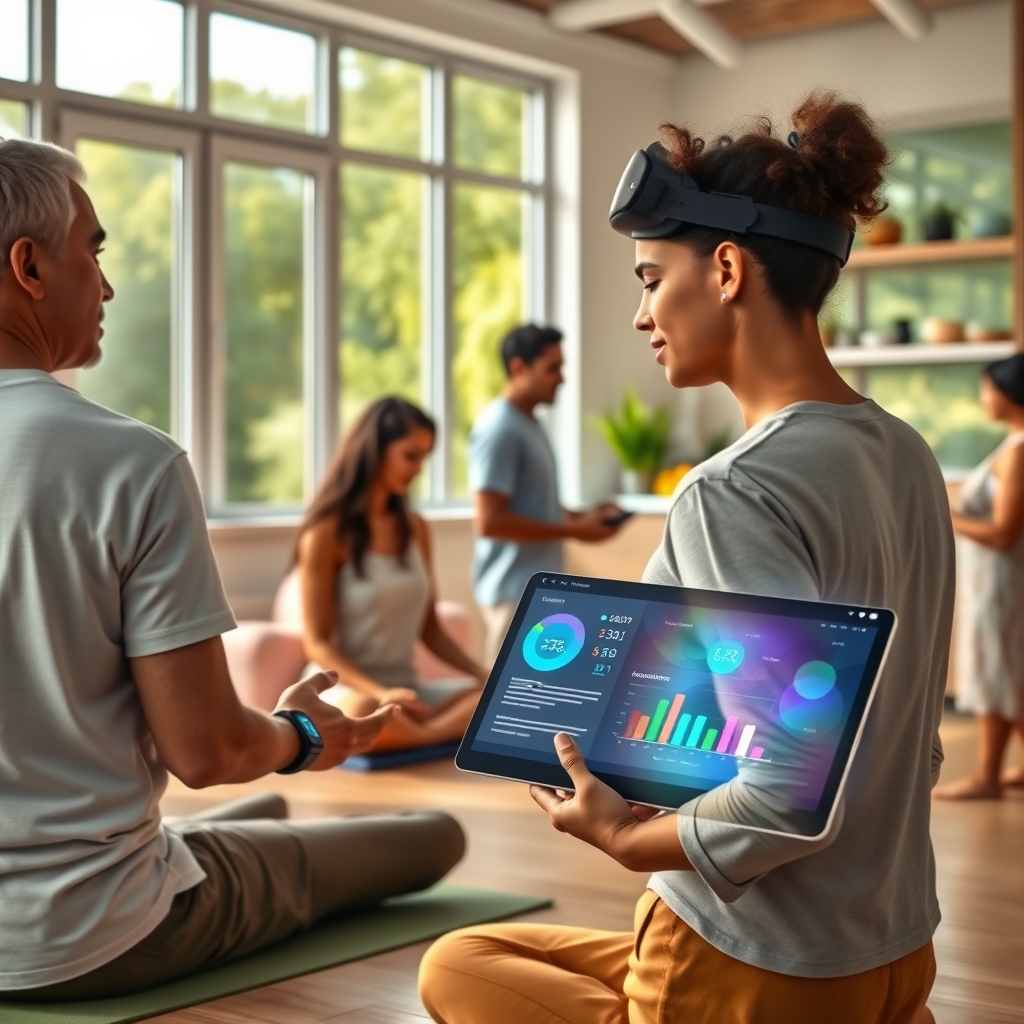
Health isn’t a destination; it’s a journey, and the most transformative journeys are those that engage all our senses. Experiential wellness programs are redefining what it means to care for ourselves by turning preventive health into an immersive, almost artistic endeavor. Picture this: a virtual wellness consultation where your coach doesn’t just talk at you but guides you through a mindfulness exercise tailored to your stress triggers, or a gamified health improvement app that turns your daily walk into a quest to unlock new levels of vitality. These programs don’t just tell you what to do; they make the process of doing it irresistibly engaging.
I once participated in a holistic lifestyle management program that felt more like a retreat than a health intervention. Each week brought a new theme—sleep hygiene, mindful eating, stress resilience—and with it, a curated experience: a guided meditation to help me wind down at night, a cooking class focused on gut-friendly meals, even a virtual forest walk to lower my cortisol levels. The program didn’t just educate; it immersed me in the practices, making healthy habits feel less like chores and more like rituals. This is the magic of experiential wellness: it meets people where they are, turning the abstract concept of “well-being” into a tangible, joyful experience.
From Reactive to Proactive: The Power of Chronic Disease Management
For those living with chronic conditions, the traditional healthcare model can feel like a relentless cycle of symptom management—treating flare-ups as they arise, only to find themselves back at square one when the next one hits. But what if, instead of waiting for the storm, we learned to read the weather? Proactive symptom tracking and integrated care pathways are flipping the script, shifting the focus from reactive treatment to predictive, personalized care.
Take diabetes, for example. For years, managing the condition meant constant finger pricks, rigid meal plans, and the anxiety of wondering when the next blood sugar crash would strike. Today, continuous glucose monitors and AI-driven apps analyze trends in real time, alerting users to potential issues before they escalate. But the real breakthrough isn’t just in the technology—it’s in how it’s integrated into a broader chronic disease management strategy. Patients aren’t just handed a device and sent on their way; they’re paired with care teams that help them interpret the data, adjust their lifestyles, and build resilience. It’s a partnership, one where technology and human expertise combine to create a safety net that catches problems before they fall.
The Future of Health: A Symphony of Data and Humanity
We stand at the precipice of a new era in health, one where the cold precision of data and the warmth of human connection intertwine to create something extraordinary. Precision health monitoring isn’t just about collecting information; it’s about translating it into a language we can understand and act upon. Patient-centric care delivery isn’t just a buzzword; it’s a fundamental shift in how we approach well-being, placing the individual at the center of their own story. And holistic lifestyle management isn’t just a trend; it’s a recognition that health is multidimensional, encompassing not just the body, but the mind, spirit, and environment.
The tools are here, the knowledge is growing, and the possibilities are endless. But the true magic lies not in the technology itself, but in how we choose to use it. Will we let it overwhelm us with noise, or will we learn to listen—to our bodies, to our data, to the quiet whispers that guide us toward balance? The future of health isn’t just about living longer; it’s about living deeper, with intention, awareness, and a profound connection to the most important voice of all: our own.