
The Unseen Garden: Tending to the Roots of Wellness Beneath the Soil of Daily Life
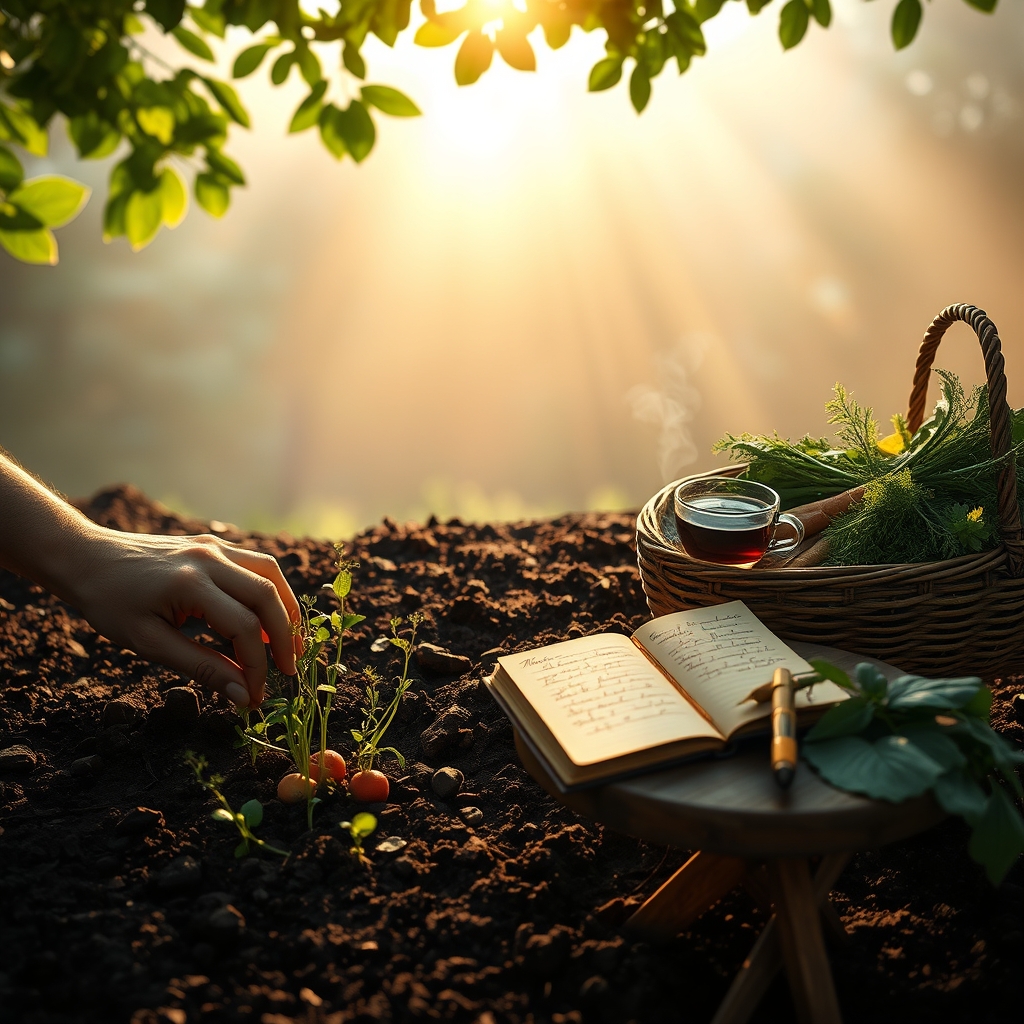
The body is not a machine, though we often treat it as one—fueling it with quick fixes, demanding efficiency, expecting it to perform without rest. But what if we saw it instead as a garden? Not the kind that blooms overnight, but the slow, patient kind, where roots stretch deep beneath the soil, unseen and unhurried, drawing nourishment from the dark. Wellness, then, is not a destination but a quiet act of tending, a daily turning of the earth, a whisper to the seeds we’ve planted: grow.
The Soil of Small Choices
Every morning, the world offers us a palette of choices—some bright and alluring, others muted, easy to overlook. The way we begin the day is like the first brushstroke on a canvas, setting the tone for what follows. Do we reach for the quick jolt of caffeine, or do we pause to steep a cup of tea, watching the steam rise like a question mark into the air? Do we scroll through the noise of the world before we’ve even risen, or do we let the silence of dawn settle into our bones?
These choices are not trivial. They are the soil in which our wellness takes root. A garden does not thrive on grand gestures—it thrives on consistency, on the daily attention to what it needs. Water too little, and the leaves wilt. Water too much, and the roots rot. The art of wellness lies in learning the language of balance, in listening to the subtle cues our bodies offer, often in whispers rather than shouts.
The Alchemy of Nourishment
Food is not merely fuel; it is a conversation. Each bite is a word, each meal a sentence, and the way we eat tells a story about how we see ourselves. Do we eat standing up, distracted, as if the act were an inconvenience? Or do we sit, savor, let the flavors unfold like petals in the sun? Mindful eating is not a trend—it is a homecoming, a return to the body’s innate wisdom.
There is a quiet magic in preparing a meal with intention. The chop of a knife against a wooden board, the sizzle of garlic in olive oil, the way steam carries the scent of herbs into the air—these are not just steps in a recipe. They are rituals, small acts of devotion to the self. When we eat with awareness, we honor the journey of the food from earth to plate, and in doing so, we honor our own journey as well.
The Rhythm of Movement
Movement, too, is a language. It does not have to be loud or performative. It can be the gentle stretch of limbs in the morning light, the way a cat arches its back after waking. It can be the steady rhythm of a walk, the way the body finds its pace like a river finding its course. We have been sold the idea that fitness must be grueling, that sweat must be earned through suffering. But what if it were simpler than that? What if it were about joy, about the sheer pleasure of being alive in a body that can bend, reach, leap?
A home workout is not a lesser version of the gym—it is its own sacred space. The floor becomes a stage, the body an instrument. There is no audience, no one to impress. Only the quiet dialogue between breath and motion, the way the heart quickens not from stress, but from the sheer delight of being in motion. Strength is not just in the muscles; it is in the willingness to show up, again and again, even when the world feels heavy.
The Hidden Ecosystem Within
We are not solitary beings. Within us thrives an entire ecosystem, a universe of microbes that hum with life, influencing everything from digestion to mood. Gut health is not just about probiotics and fiber—it is about recognizing that we are part of something larger than ourselves, that our well-being is intertwined with the well-being of countless unseen organisms. To tend to the gut is to tend to the roots of the garden, to ensure that the soil is rich and alive.
This is where the poetic and the practical meet. A spoonful of fermented foods, a glass of water with lemon in the morning, the choice to slow down and chew—these are not just habits. They are offerings, small acts of reverence for the intricate web of life within us. When we nourish the gut, we nourish the mind, the heart, the very essence of who we are.
The Stillness That Holds It All
Amidst the doing, there must be being. The garden does not grow in a frenzy; it grows in the quiet spaces between the rain and the sun. Meditation, breathwork, the simple act of sitting still—these are not escapes from life but returns to it. In stillness, we remember that we are not just the gardener; we are also the soil, the seed, the rain. We are the entire cycle, the ebb and the flow.
There is a misconception that stillness is passive. But stillness is where the deepest work happens. It is where we meet ourselves without distraction, where we listen to the whispers of the body and the soul. It is where we realize that wellness is not about perfection, but about presence—showing up, again and again, with kindness and curiosity.
The garden of wellness does not bloom overnight. It is a slow unfurling, a patient dance with time. Some days, the soil feels hard and unyielding. Other days, the seeds sprout in ways we never expected. But if we tend to it with care, if we trust the process, we begin to see that the roots were always there, stretching deep, holding us steady. And in that quiet, unseen growth, we find the truest kind of strength—not the kind that forces, but the kind that endures.