The Invisible Handshake: How Behavioral Change Therapy and Wearable Health Integration Are Crafting a Future of Effortless Transformation

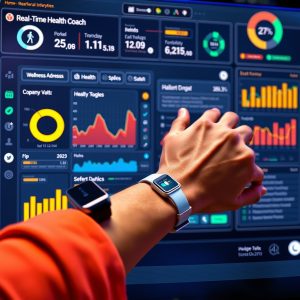
Imagine waking up to a world where your health isn’t just monitored—it’s understood, anticipated, and gently guided. A world where the subtle cues of your body don’t go unnoticed, where every heartbeat, every restless night, every fleeting moment of stress is met with a response as natural as breathing. This isn’t the distant future; it’s the here and now, where the invisible handshake between behavioral change therapy and wearable health integration is rewriting the rules of personal wellness. It’s a dance of data and intuition, technology and humanity, where the goal isn’t just to treat illness but to cultivate a life so vibrant, so attuned to its own rhythms, that prevention becomes second nature.
The Alchemy of Awareness
At the heart of this transformation lies a simple yet profound truth: awareness is the first step toward change. Wearable devices—those sleek, unobtrusive companions on our wrists, in our pockets, or even woven into our clothing—have become the silent sentinels of our daily lives. They track our steps, monitor our sleep, measure our heart rate variability, and even detect the subtle shifts in our stress levels. But raw data alone is just noise. It’s the marriage of this data with the science of behavioral change therapy that turns numbers into narratives, patterns into pathways, and insights into action.
Behavioral change therapy isn’t about rigid rules or one-size-fits-all solutions. It’s about understanding the unique psychology of each individual—the triggers, the motivations, the barriers—and crafting strategies that resonate on a deeply personal level. When combined with the real-time feedback from wearables, this therapy becomes a dynamic, living process. Imagine receiving a gentle nudge on your smartwatch not just to stand up and move, but a message that says, “You’ve been sitting for 45 minutes. Let’s take a walk—remember how much clearer your mind feels after just five minutes outside?” It’s not a command; it’s a conversation, a reminder of what you already know but might have forgotten in the hustle of the day.
The Power of the Personal Touch
What makes this fusion of technology and therapy so revolutionary is its patient-centric approach. Traditional healthcare often treats symptoms in isolation, but this new paradigm sees the individual as a whole—body, mind, and lifestyle intertwined. Wearables provide the data, but behavioral therapy provides the context. For instance, a spike in heart rate might be dismissed as a temporary anomaly, but when paired with insights from a behavioral therapist, it could reveal a pattern of anxiety triggered by specific situations. Suddenly, that data point becomes a clue, a piece of a larger puzzle that can be addressed with targeted strategies, whether it’s mindfulness exercises, breathing techniques, or simply recognizing and avoiding certain stressors.
This approach also democratizes health empowerment. No longer are we passive recipients of care; we become active participants in our own well-being. Wearables put the power of information in our hands, while behavioral therapy equips us with the tools to act on it. It’s a shift from reactive to proactive, from treatment to prevention, from surviving to thriving. And the beauty of it? It doesn’t require drastic overhauls or monumental efforts. Small, consistent changes—guided by data and supported by therapy—can lead to profound transformations over time.
The Gamification of Wellness
One of the most exciting aspects of this integration is how it gamifies health improvement. Wearables turn daily habits into challenges, achievements, and even social experiences. Step counters become quests, sleep trackers become scorecards, and stress management becomes a leaderboard. Behavioral change therapy enhances this by helping individuals set meaningful goals and celebrate progress in ways that feel rewarding rather than punitive. For example, a wearable might track your meditation sessions and, with the help of a digital health coach, remind you how far you’ve come since you started. “You’ve meditated for 30 days in a row—your stress levels have dropped by 20%. Keep going!” It’s not just about the numbers; it’s about the story they tell, the growth they represent, and the motivation they inspire.
The Ripple Effect of Real-Time Insights
Real-time health analytics are the lifeblood of this new era of wellness. They turn the abstract into the tangible, the invisible into the visible. A wearable might detect that your sleep quality has been declining over the past week, and a behavioral therapist could help you explore why—perhaps it’s work-related stress, a change in routine, or even dietary habits. Together, you can experiment with solutions, track their effectiveness, and adjust as needed. This isn’t guesswork; it’s a data-driven, iterative process of self-discovery and improvement.
The ripple effect of these insights extends beyond the individual. When people feel empowered to take control of their health, they inspire those around them. Families adopt healthier habits together, workplaces prioritize well-being, and communities become more resilient. It’s a cultural shift, one where health isn’t just a personal responsibility but a shared value, a collective aspiration.
The Human Element in a Digital World
For all its technological marvels, this revolution is fundamentally human. Wearables and data analytics are tools, but the real magic happens when they’re wielded with empathy, understanding, and a deep respect for the individual. Behavioral change therapy reminds us that behind every data point is a person—with fears, dreams, and a unique story. It’s not about replacing human connection with algorithms but enhancing it, using technology to deepen our understanding of ourselves and each other.
Consider the person struggling with chronic illness. Wearables can provide invaluable insights into their condition, but it’s the behavioral therapist who helps them navigate the emotional and psychological challenges that come with it. Together, they can create a care plan that addresses not just the physical symptoms but the whole person—mind, body, and spirit. It’s a holistic approach that acknowledges the complexity of human health and the power of personalized care.
As we stand on the brink of this new era, it’s clear that the future of wellness isn’t about cold, impersonal technology. It’s about the seamless integration of data and humanity, where every insight is a step toward greater self-awareness, every nudge is a gesture of support, and every achievement is a celebration of what it means to live well. The invisible handshake between behavioral change therapy and wearable health integration isn’t just changing how we manage our health—it’s redefining what it means to truly thrive. And in this dance of data and intuition, we find not just better health, but a deeper connection to ourselves and the world around us, a connection that makes every step forward feel like coming home.