The Luminous Cadence: How the Rhythm of Functional Movement Composes the Soul’s Inner Symphony
The body is not a machine, though we often treat it as one—oiled by caffeine, fueled by deadlines, and measured in steps counted like coins in a ledger. But what if we allowed it to be something else entirely? What if we listened, not to the ticking of a clock, but to the quiet pulse of our own breath, the subtle shift of muscle beneath skin, the way our bones hum when they move in ways that feel like coming home?
The Poetry of Motion
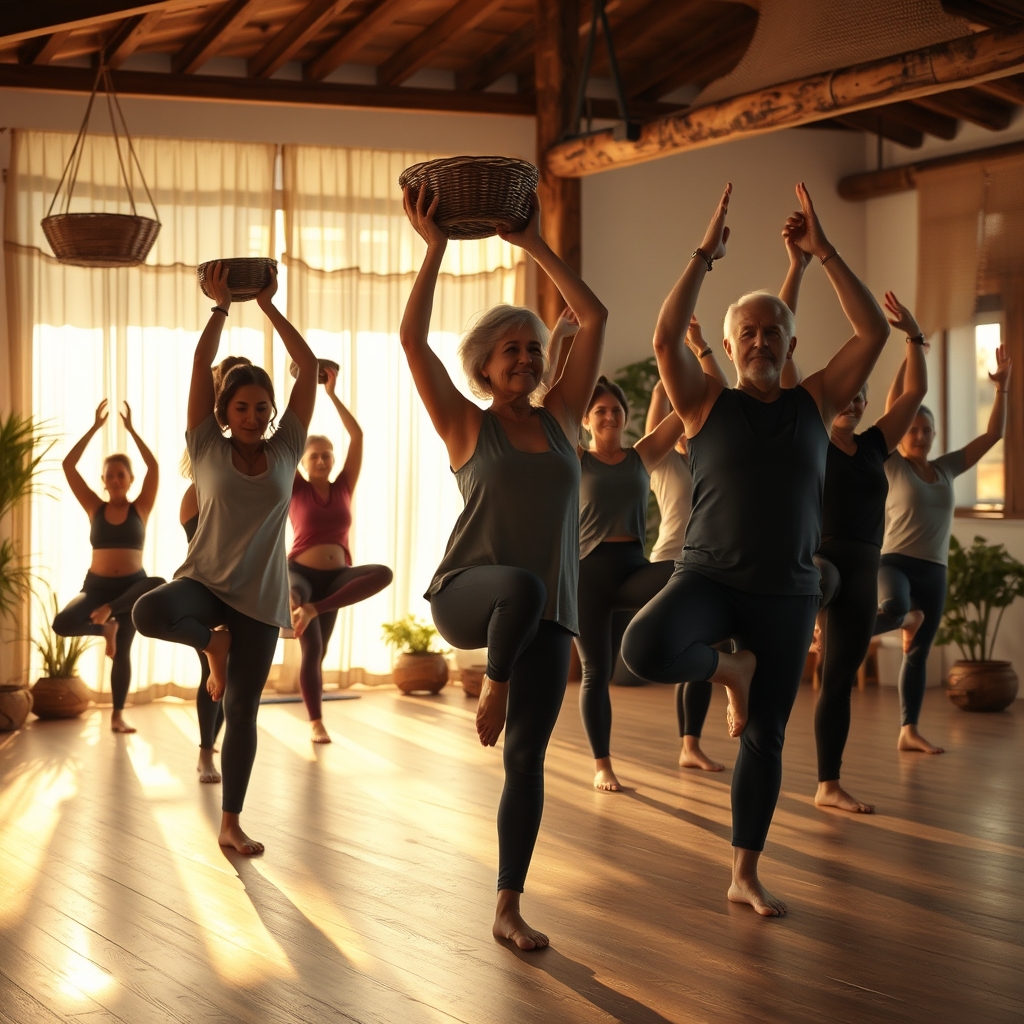
Functional movement is not about reps or sets, not about the burn or the sweat, though those may come. It is about the way your body remembers how to climb, to lift, to twist—motions that echo the ancient choreography of survival, now repurposed into something like art. There is a grace in bending to pick up a child, in hoisting a basket of laundry, in reaching for a jar on the highest shelf. These are not exercises; they are rituals, small ceremonies of strength that stitch together the fabric of daily life.
When we move with intention, we are not just training our muscles; we are composing a symphony. Each stretch is a note, each lift a crescendo, each moment of stillness a pause between movements. The body becomes an instrument, and the soul, its conductor. There is no sheet music for this—only the quiet guidance of instinct, the way your hips know how to sway when you walk, the way your shoulders remember how to carry the weight of the world, or at least the groceries.
The Alchemy of Effort and Ease
There is a paradox in functional movement: the more you surrender to it, the stronger you become. It is not about forcing the body into submission, but about discovering what it already knows. The farmer’s carry is not just about grip strength; it is about the way your core engages when you walk with purpose, the way your breath deepens to meet the demand. The squat is not just about leg day; it is about the way your body remembers how to sit, how to rise, how to move through the world with groundedness.
This is the alchemy of effort and ease—the way tension dissolves into fluidity, the way resistance softens into rhythm. It is the difference between lifting a weight and carrying a story, between running on a treadmill and chasing the horizon. Functional movement asks us to move not for the sake of moving, but for the sake of feeling alive in the most ordinary moments.
The Body as a Living Archive
Every scar, every stretch mark, every callus is a record of where we have been. The body is a living archive, and functional movement is the act of reading its pages. When you deadlift, you are not just lifting a barbell; you are lifting the weight of all the times you have fallen and risen again. When you balance on one leg, you are not just testing your stability; you are remembering all the times you have stood firm in the face of chaos.
This is why functional training is not just physical—it is emotional, even spiritual. It is a conversation between the body and the soul, a dialogue that unfolds in the language of sweat and breath. The more we listen, the more we realize that strength is not just about how much we can lift, but about how deeply we can feel.
The Rhythm of Renewal
There is a rhythm to functional movement, a cadence that mirrors the natural cycles of the earth. The way your breath syncs with your steps when you walk, the way your heart rate rises and falls like the tide, the way your muscles warm and cool like the shifting of seasons. This rhythm is not something we impose; it is something we rediscover, a forgotten melody that has been playing all along.
When we move in this way, we are not just exercising; we are renewing. We are shedding the layers of stagnation, of disconnection, of the belief that the body is separate from the soul. We are remembering that movement is not just a means to an end, but a way of being—a way of inhabiting the world with presence, with power, with grace.
The Unseen Threads of Connection
Functional movement does not exist in isolation. It is woven into the fabric of our lives, connected to everything we do. The way you bend to tie your shoes, the way you twist to look over your shoulder, the way you carry your body through a crowded room—these are all expressions of the same intelligence that allows you to lift, to pull, to push, to balance. When we train functionally, we are not just preparing for the gym; we are preparing for life.
And yet, there is something almost sacred in the way these movements connect us to something larger than ourselves. The way a deep squat echoes the posture of a child at play, the way a farmer’s carry mirrors the labor of generations past, the way a simple walk can feel like a pilgrimage. These movements are not just physical; they are ancestral, universal, timeless.
The body is not a machine, but a vessel—a vessel for experience, for emotion, for the quiet poetry of being alive. When we move with intention, we are not just training our muscles; we are honoring the wisdom of the body, the resilience of the spirit, the luminous cadence of our own existence. And in that honoring, we find not just strength, but something far more profound: the quiet, unshakable knowing that we are exactly where we are meant to be, moving in exactly the way we are meant to move.